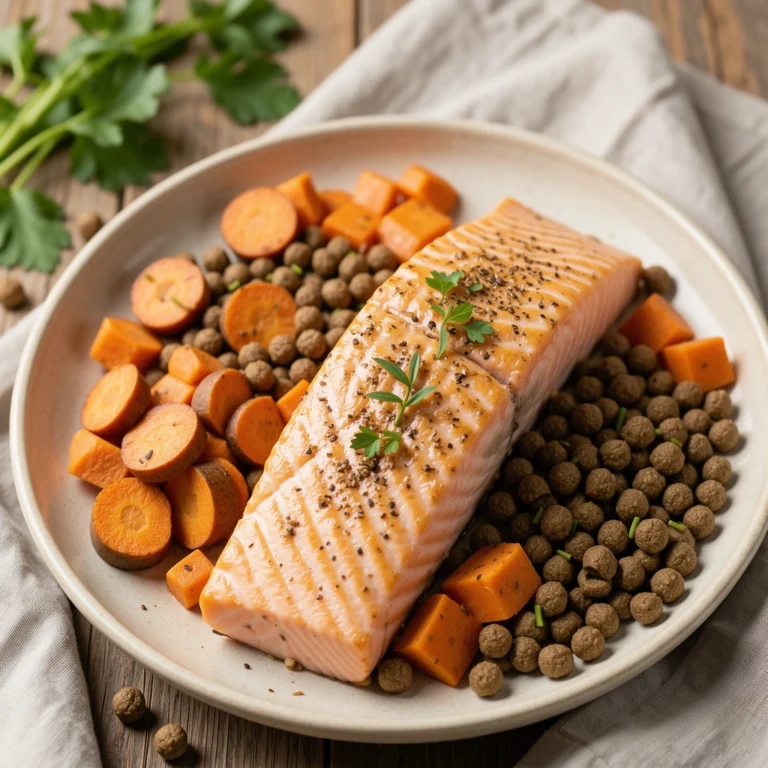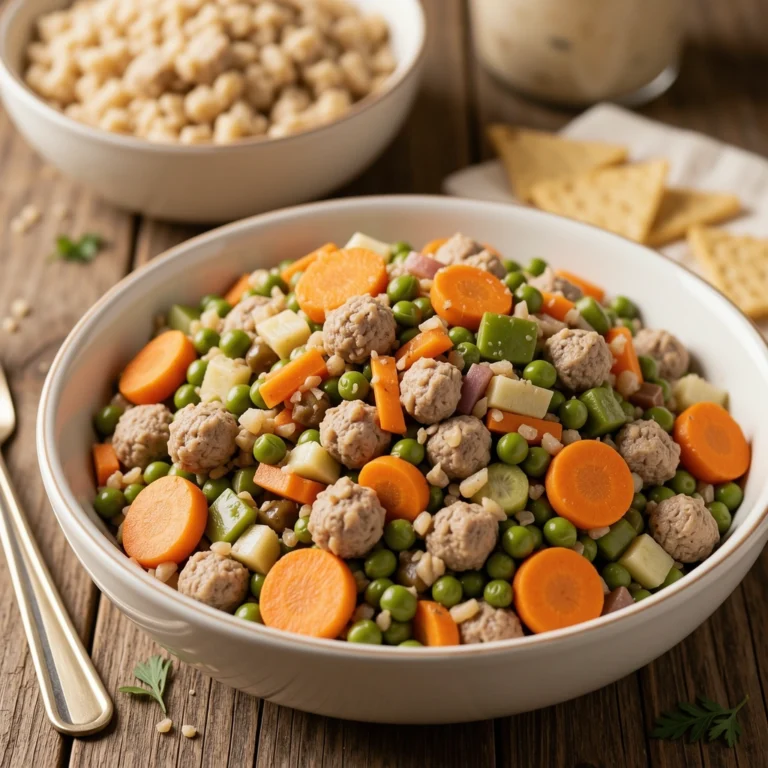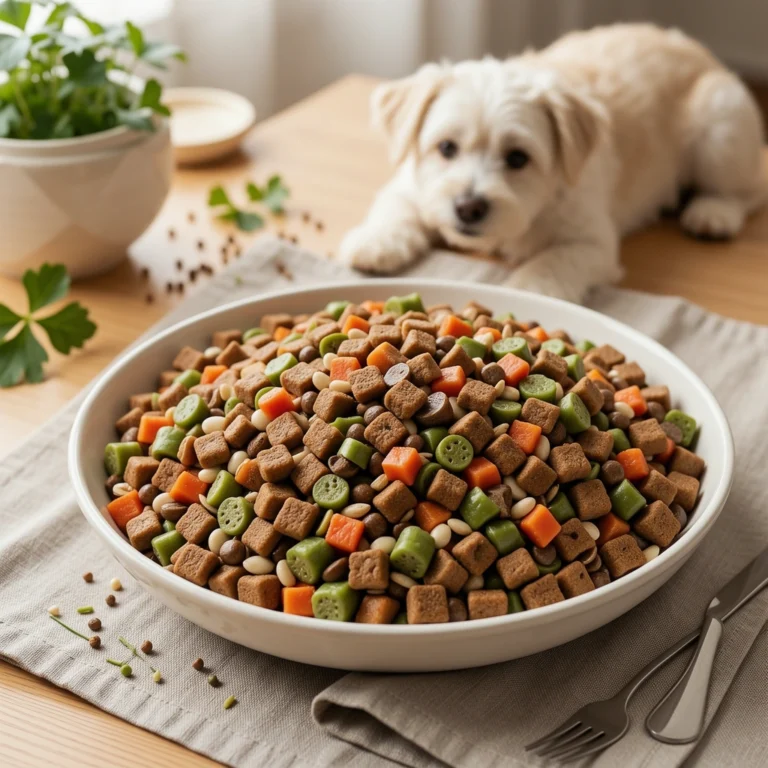
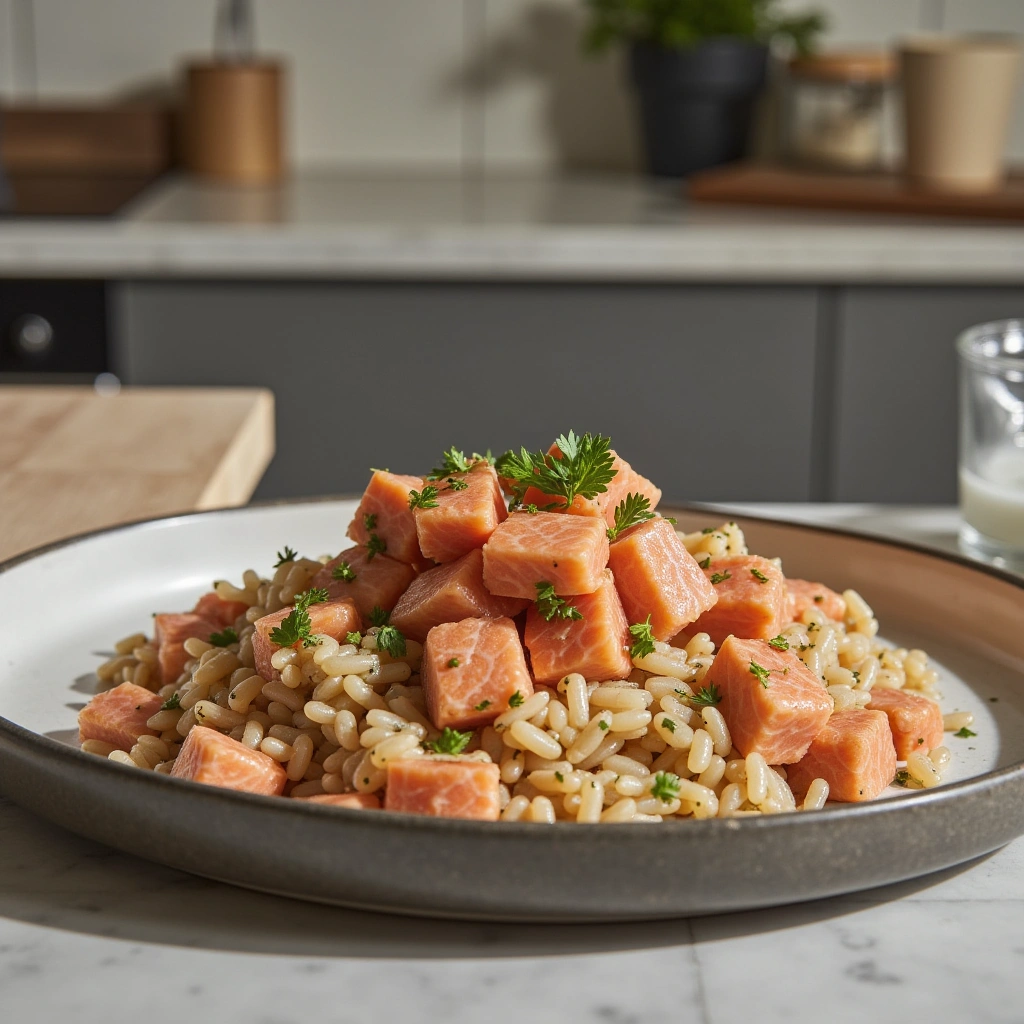
Are you tired of feeding your furry friend commercial dog food full of fillers and preservatives? Want to give your pup a nutritious, tasty, and homemade meal? Well, you’re in the right place! Today, I’ll walk you through making a wholesome, easy-to-prepare dog food with salmon and rice that your dog will love and that’s good for their health.
In this guide, I’ll cover everything you need—from ingredients and preparation steps to tips for success and common mistakes to avoid. Let’s dive into creating a meal that’s both delicious and nourishing for your four-legged buddy!
Why Choose Salmon and Rice for Your Dog?
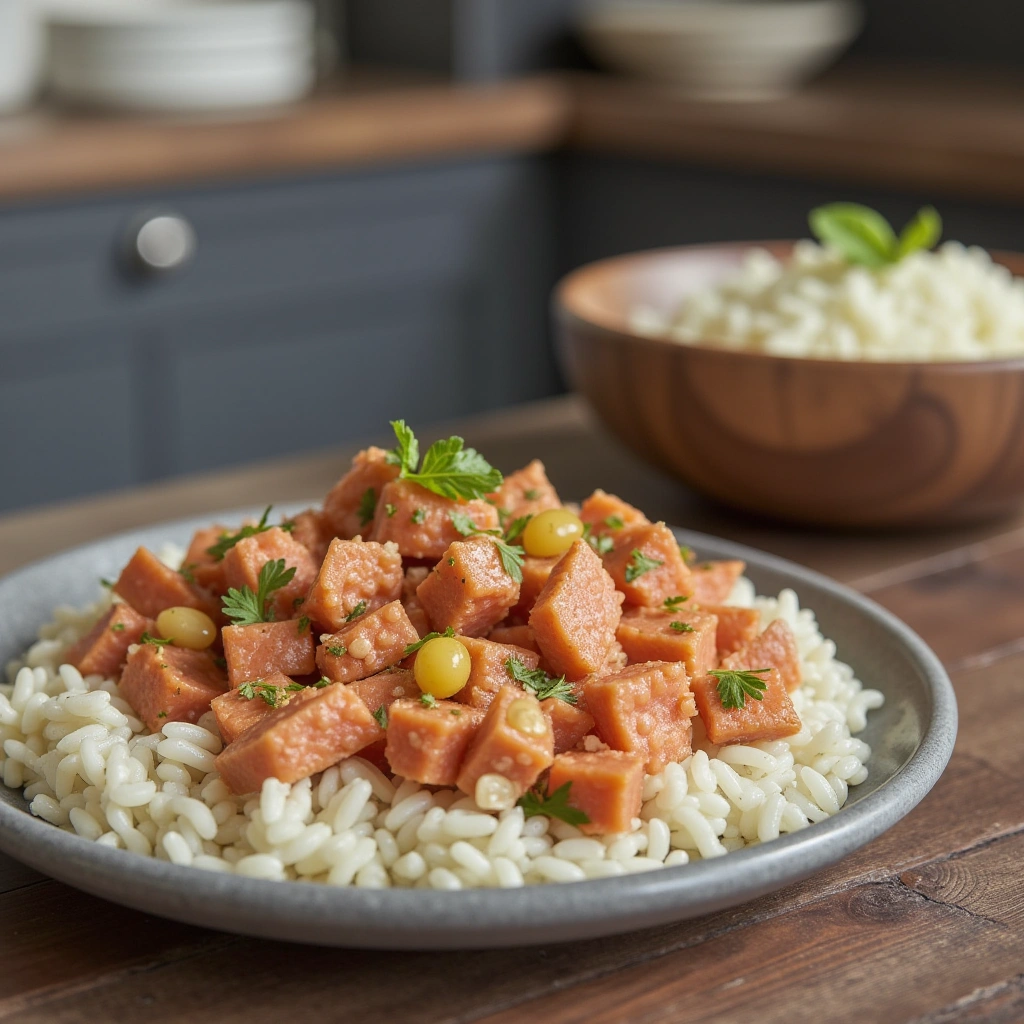
Salmon is packed with omega-3 fatty acids, high-quality protein, and essential nutrients that promote healthy skin, shiny coat, and brain function. Rice, on the other hand, provides easily digestible carbohydrates that supply energy without upsetting your dog’s stomach. Combining these two creates a balanced, nutrient-rich meal.
Key Benefits of Salmon and Rice:
- Supports healthy skin and coat
- Boosts immune system
- Easy on sensitive stomachs
- Provides sustainable energy
- Naturally hypoallergenic
Ingredients and Materials Needed
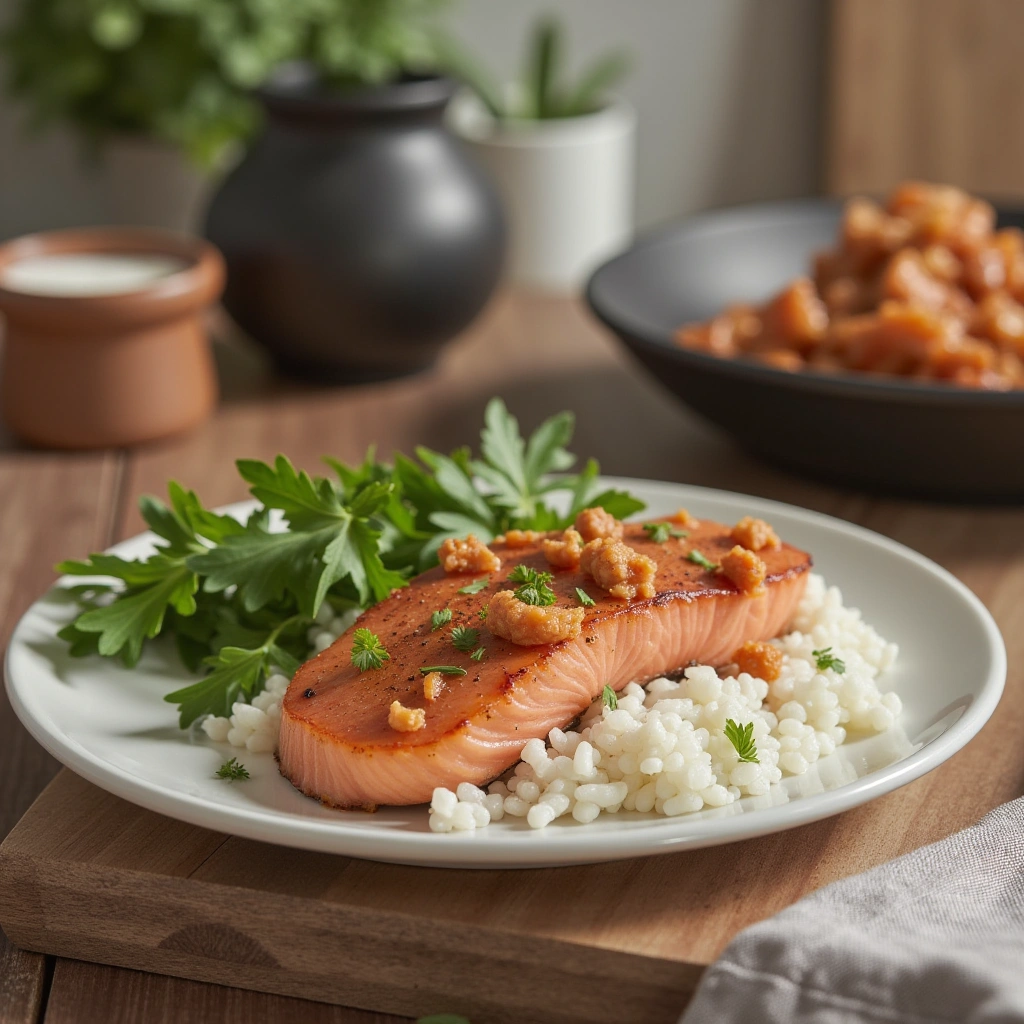
Before starting, gather all the ingredients and tools. Here’s a detailed list to keep you organized:
Materials Needed
| Item | Quantity | Purpose |
|---|---|---|
| Fresh salmon fillet | 1 pound (450g) | Main protein source |
| White rice | 1 cup (200g) | Carbohydrate base |
| Water | 4 cups (1 liter) | Cooking rice and salmon |
| Olive oil (optional) | 1 teaspoon | For added healthy fats |
| Vegetables (optional) | ½ cup (e.g., carrots, peas) | Fiber and nutrients |
| Storage containers | As needed | To store cooked food |
Additional Tools
- Medium-sized pot or rice cooker
- Sharp knife
- Cutting board
- Strainer or slotted spoon
- Measuring cups
- Mixing bowl (optional)
- Refrigerator or freezer for storage
Step-by-Step Guide to Making Salmon and Rice Dog Food
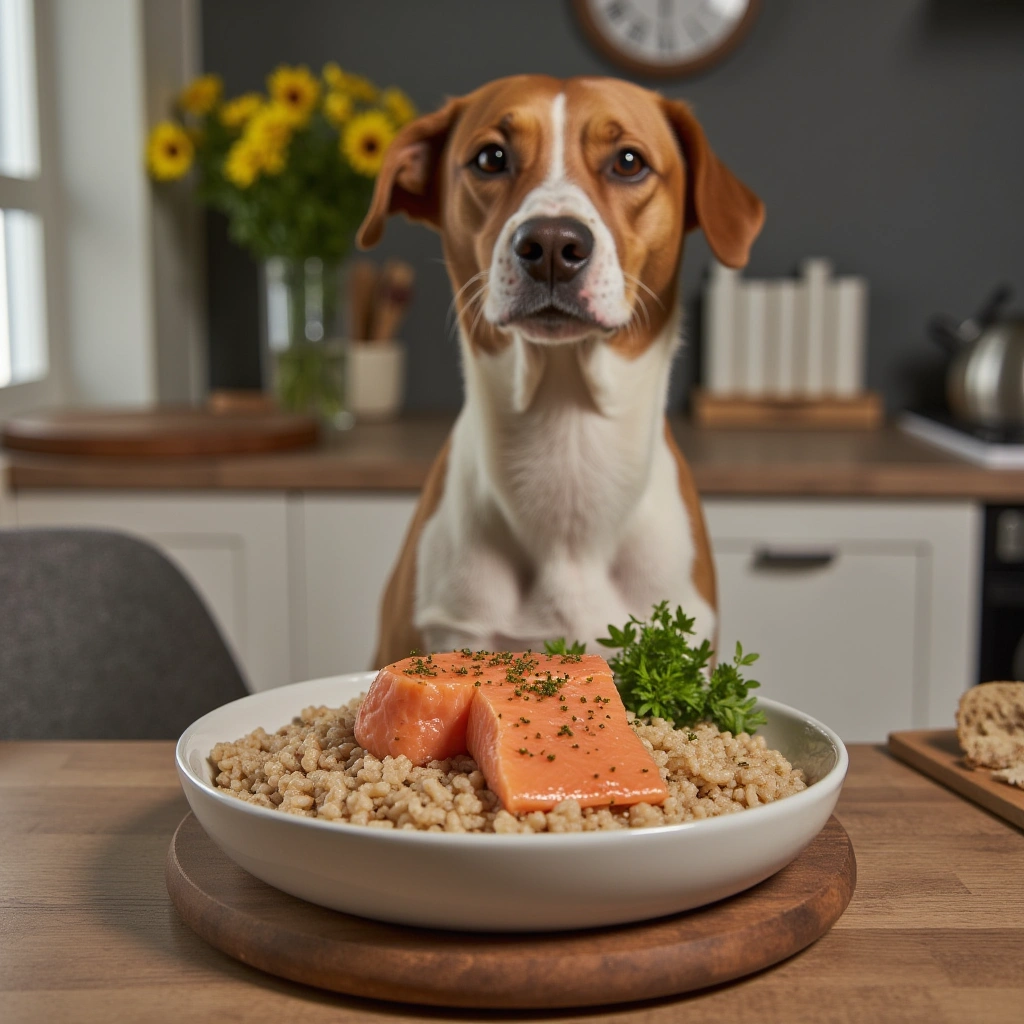
Let’s break down the process into simple, manageable steps.
Step 1: Prepare the Salmon
- Select fresh salmon: Opt for wild-caught salmon if possible, as it’s typically more nutritious.
- Remove skin and bones: Carefully peel off the skin and check for any pin bones. You can ask your fishmonger to do this or do it at home with a sharp knife.
- Cut into small chunks: This helps with even cooking and easier digestion.
Step 2: Cook the Salmon
- Poaching method:
- Place the salmon chunks in a pot.
- Cover with water.
- Bring to a gentle simmer and cook for about 10 minutes until opaque.
- Alternatively, bake in a preheated oven at 350°F (180°C) for 15-20 minutes.
- Cool the salmon: Let it rest until it reaches room temperature to prevent condensation when mixing.
Step 3: Cook the Rice
- Rinse the rice thoroughly under cold water to remove excess starch.
- Use a 1:2 ratio of rice to water (e.g., 1 cup rice, 2 cups water).
- Cook in a pot or rice cooker:
- Bring water to a boil.
- Add rice and reduce heat to low.
- Cover and simmer for 15-20 minutes until water is absorbed.
- Fluff with a fork once cooked.
Step 4: Prepare Vegetables (Optional)
- Choose dog-safe vegetables like carrots, peas, or green beans.
- Chop into small, manageable pieces.
- Steam or boil until tender, about 5-7 minutes.
- Let cool completely.
Step 5: Combine Ingredients
- In a large bowl, mix the cooked rice, salmon, and vegetables.
- Add a teaspoon of olive oil for added omega-3s, if desired.
- Mix thoroughly to ensure even distribution.
Step 6: Portion and Store
- Divide the mixture into meal-sized portions.
- Store in airtight containers.
- Keep in the refrigerator for up to 3 days or freeze for longer storage.
Tips for Success
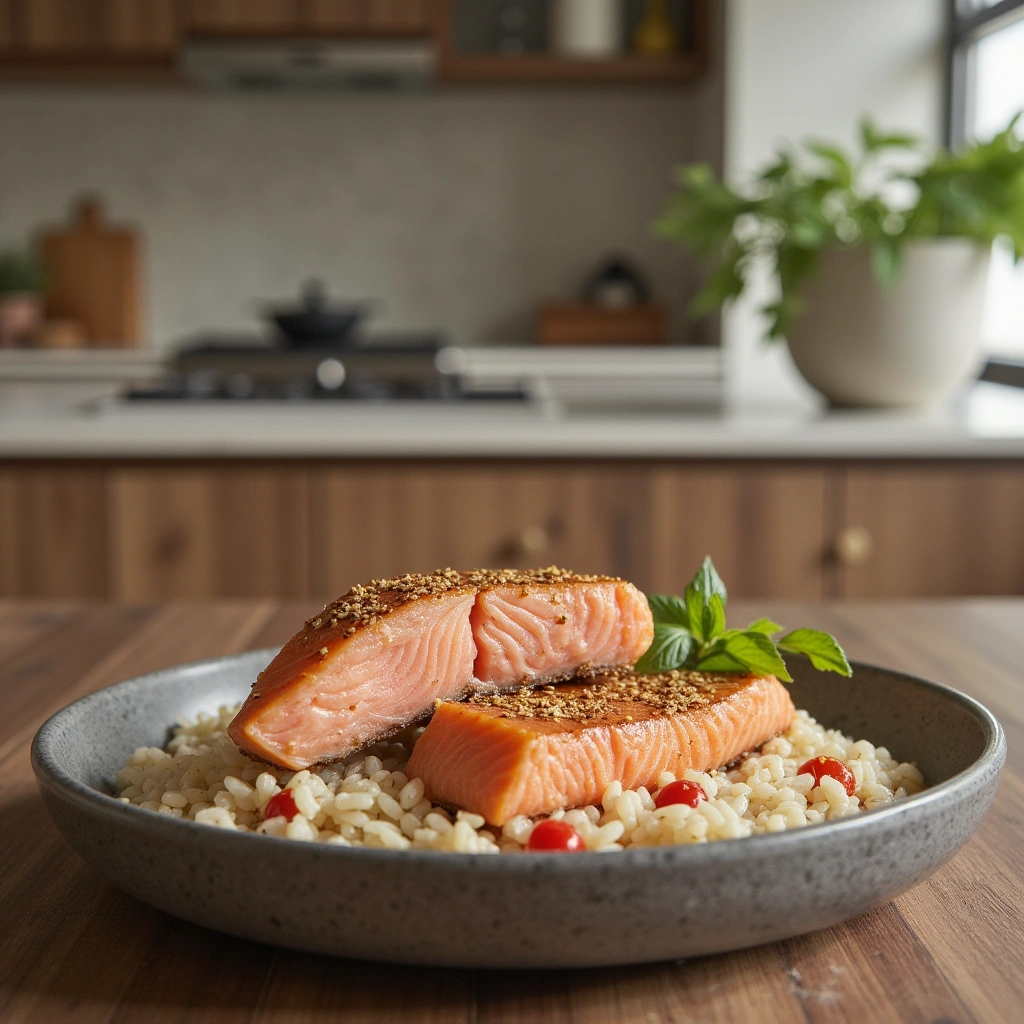
- Use fresh ingredients: This ensures maximum nutrient retention.
- Avoid seasoning: Do not add salt, garlic, onion, or spices—they can be toxic to dogs.
- Adjust consistency: If your dog prefers a softer meal, mash or blend the mixture slightly.
- Introduce gradually: Transition slowly from commercial food to homemade meals over a week to prevent stomach upset.
- Consult your vet: Before making significant dietary changes, especially if your dog has health issues.
Common Mistakes and How to Avoid Them
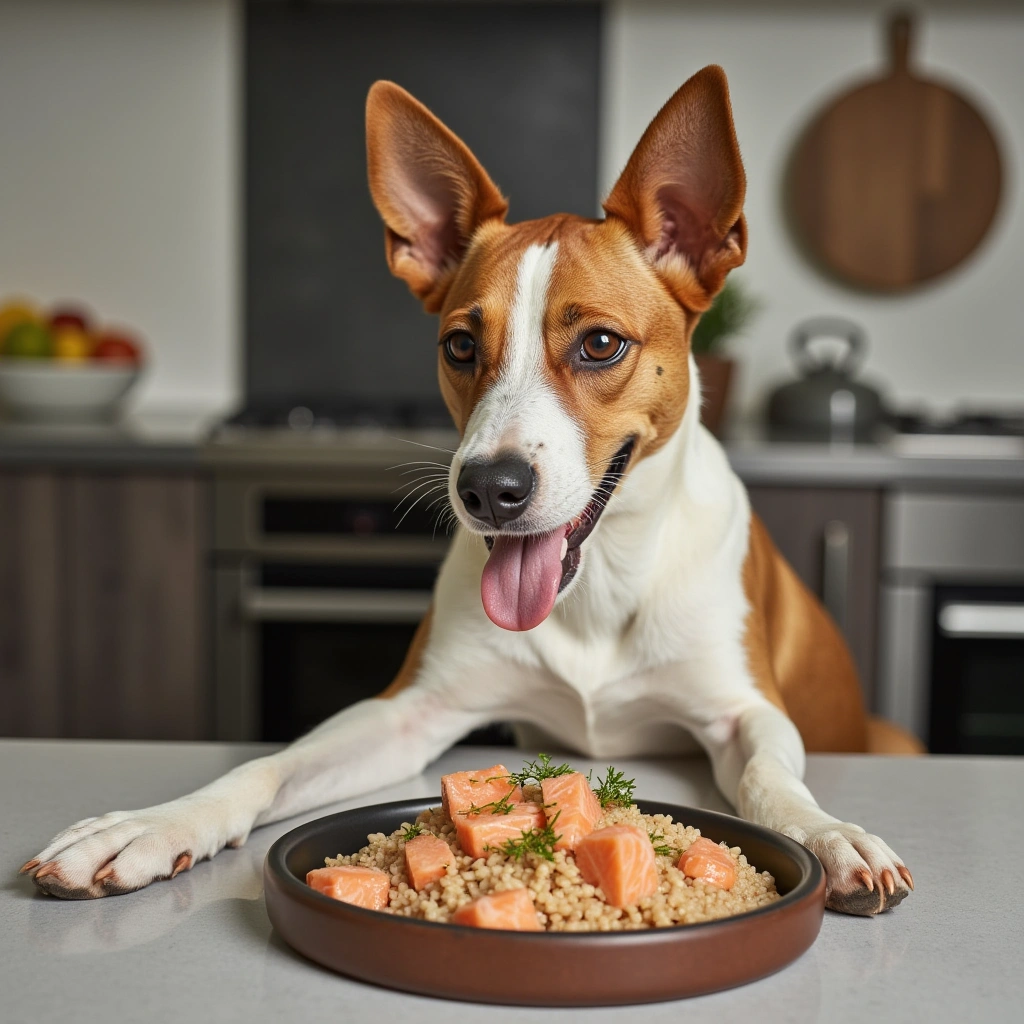
| Mistake | Why It’s a Problem | How to Avoid It |
|---|---|---|
| Using raw salmon | Risk of parasites or bacteria | Always cook thoroughly |
| Adding seasoning or spices | Toxic to dogs | Keep it plain and simple |
| Overfeeding fish | Mercury accumulation | Limit fish to 2-3 times a week |
| Not balancing diet | Nutritional deficiencies | Incorporate variety over time |
| Using human leftovers | Unbalanced or harmful ingredients | Stick to dog-safe ingredients |
Variations and Customizations
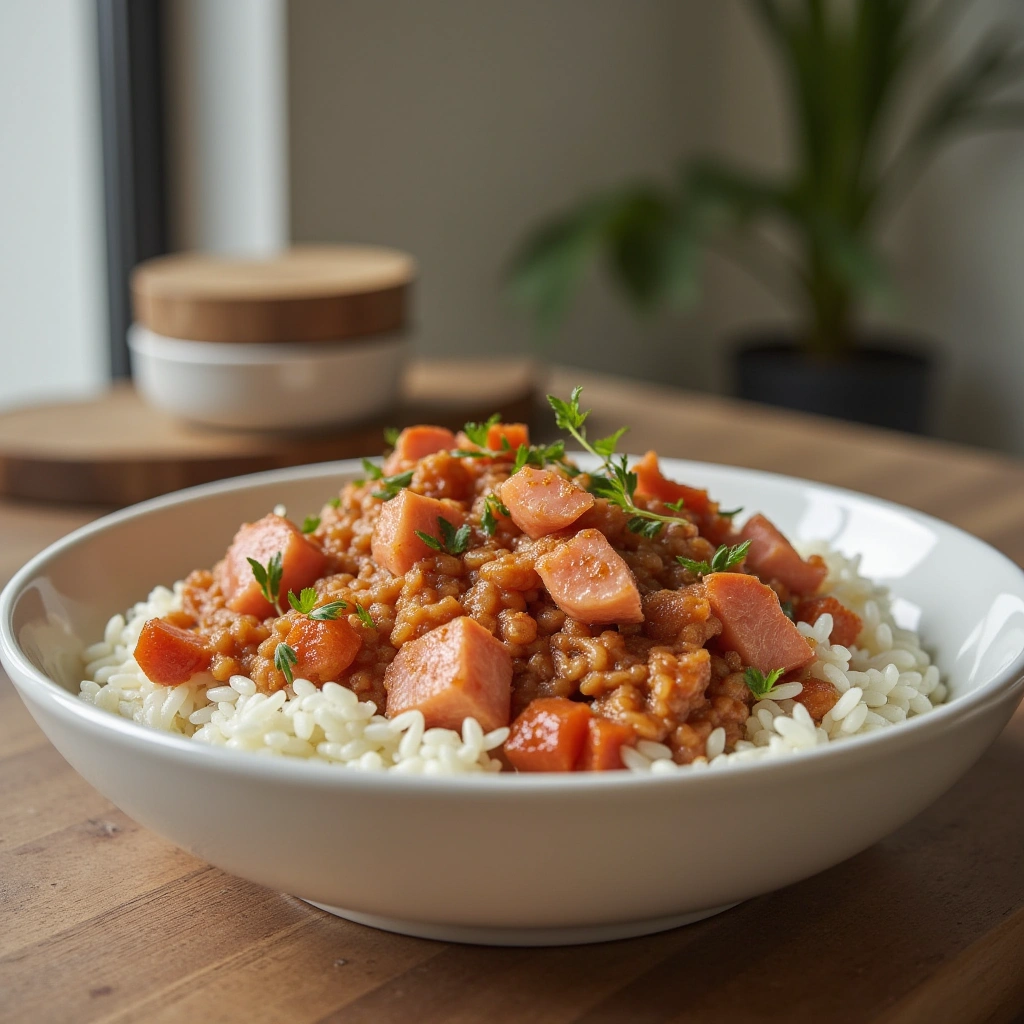
Looking to mix things up? Here are some healthy variations:
- Sweet potato and salmon mash: Replace rice with cooked sweet potatoes for added fiber.
- Lentil and salmon mix: Add cooked lentils for extra protein and fiber.
- Turkey and rice: Substitute salmon with lean turkey for variety.
- Add probiotics: Mix in a small spoonful of plain yogurt for digestion.
Summary and Final Thoughts
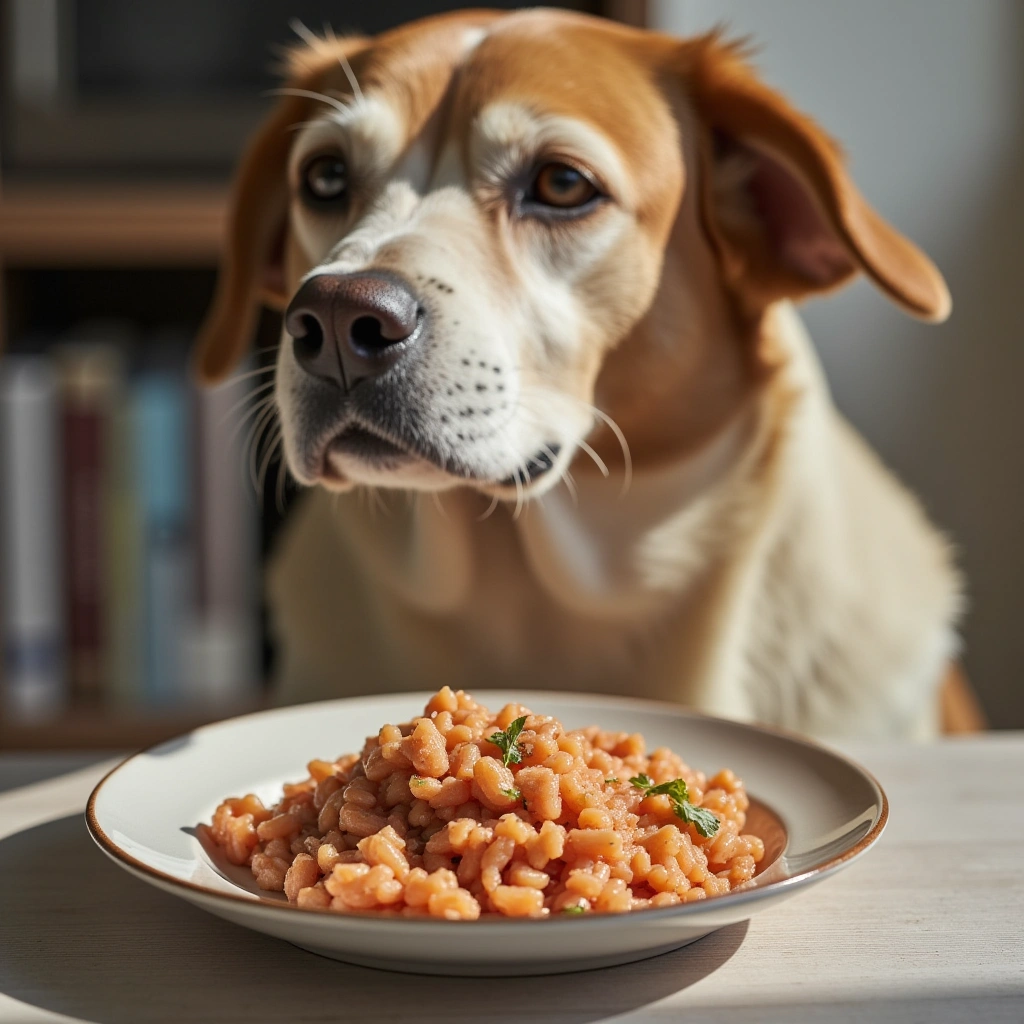
Making homemade dog food with salmon and rice is a simple, wholesome way to ensure your pup gets high-quality nutrition. By selecting fresh ingredients, avoiding harmful seasonings, and following proper cooking methods, you can prepare a meal that supports your dog’s health and happiness. Remember to introduce new foods gradually and consult with your veterinarian for personalized dietary advice.
Now, armed with this comprehensive guide, you’re ready to whip up a delicious, nutritious meal that your dog will thank you for. Happy cooking!
Your dog’s health is worth the effort—happy feeding!