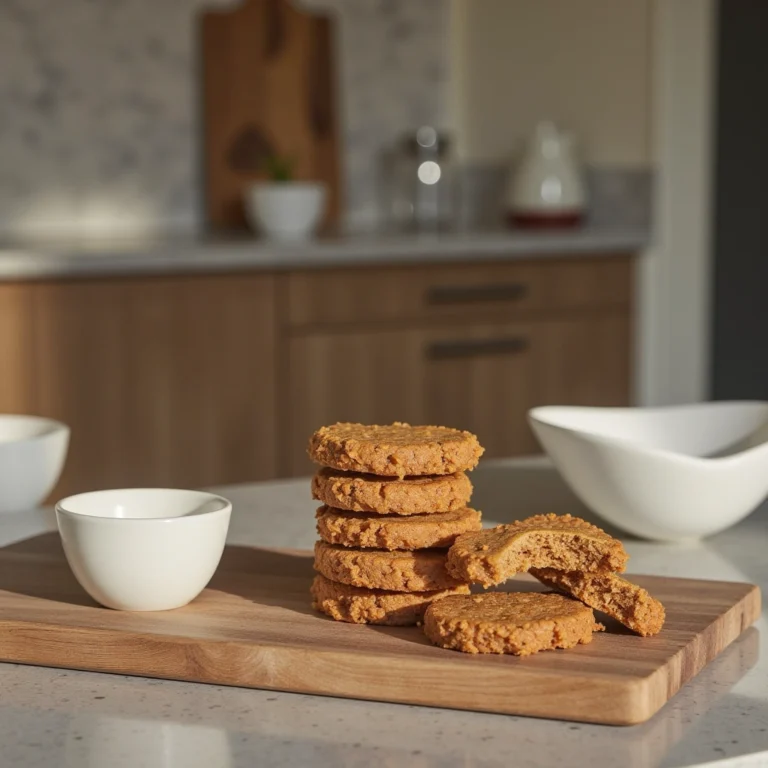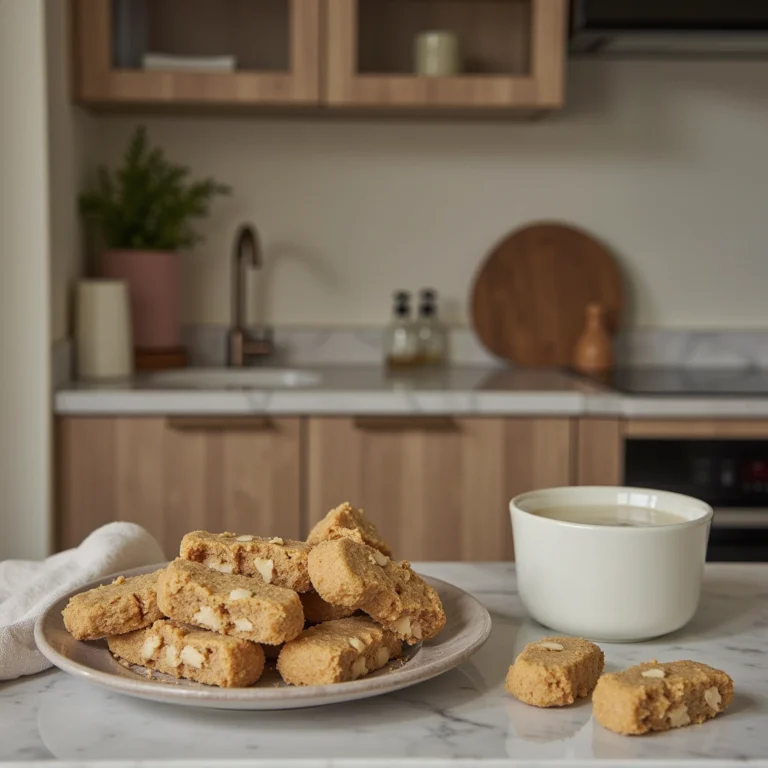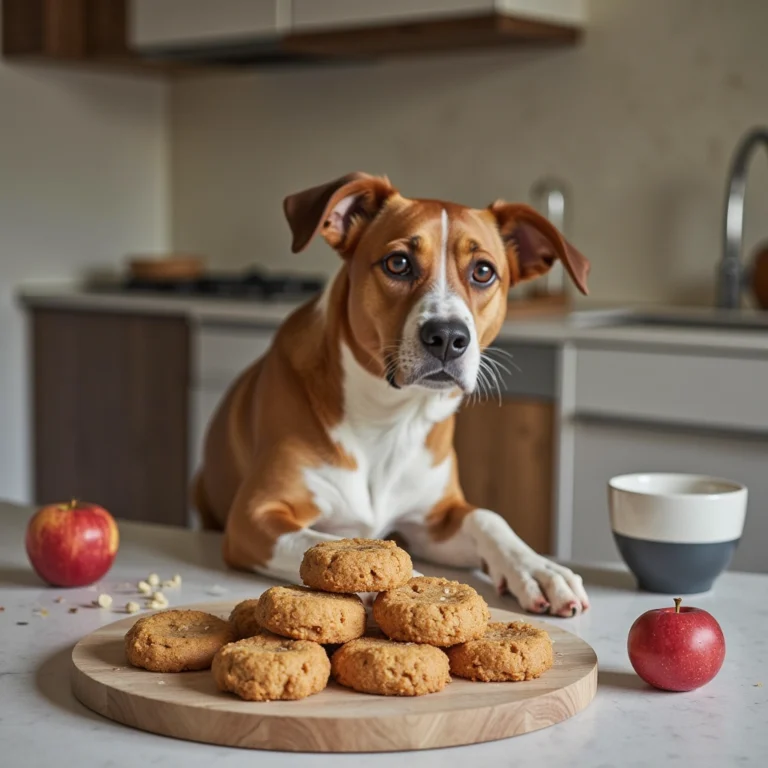
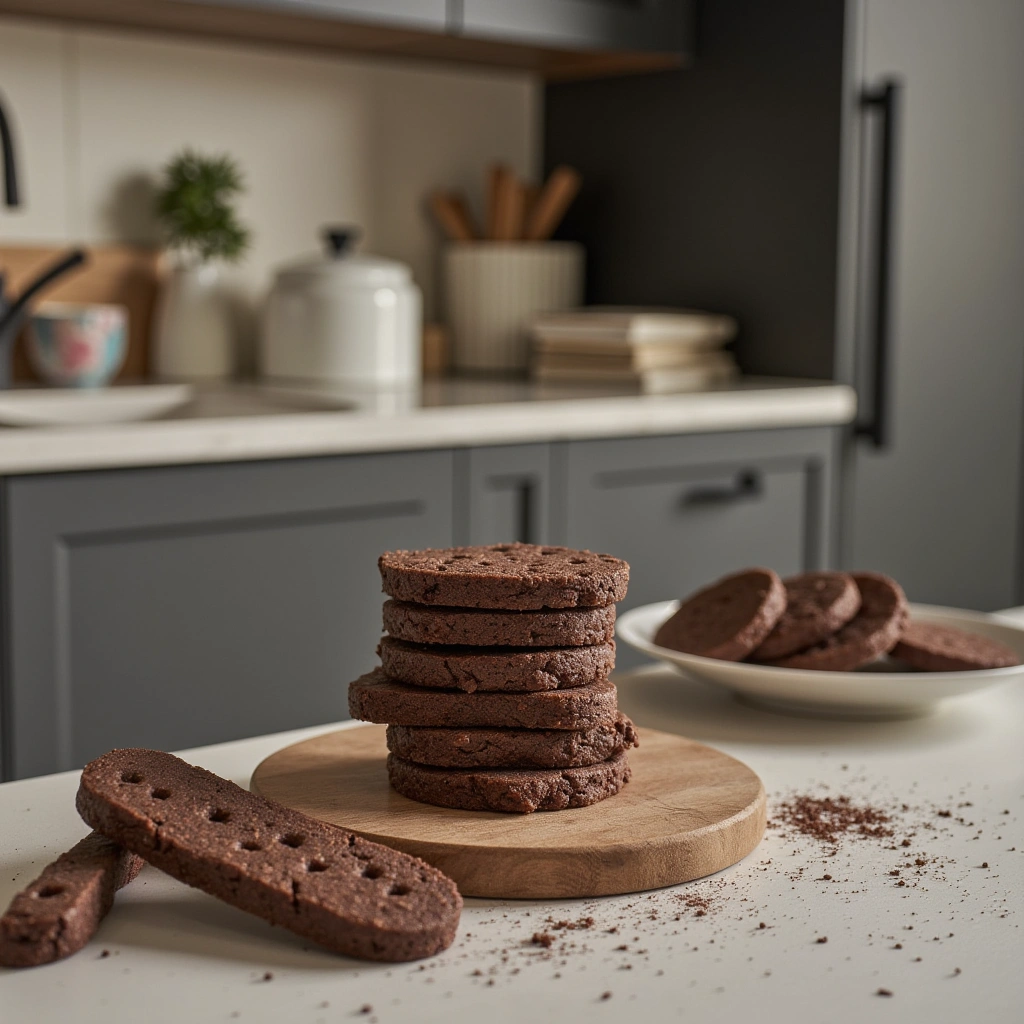
Are you on the hunt for a healthy, tasty, and vet-approved treat for your furry friend? If so, carob dog treats are a fantastic choice. Unlike chocolate, which is toxic to dogs, carob offers a sweet, chocolate-like flavor that dogs love—without the health risks. In this comprehensive guide, I’ll walk you through everything you need to know about making your own nutritious carob dog treats at home. From ingredients to tips for success, I’ve got you covered!
What Are Carob Dog Treats?
Definition and Benefits
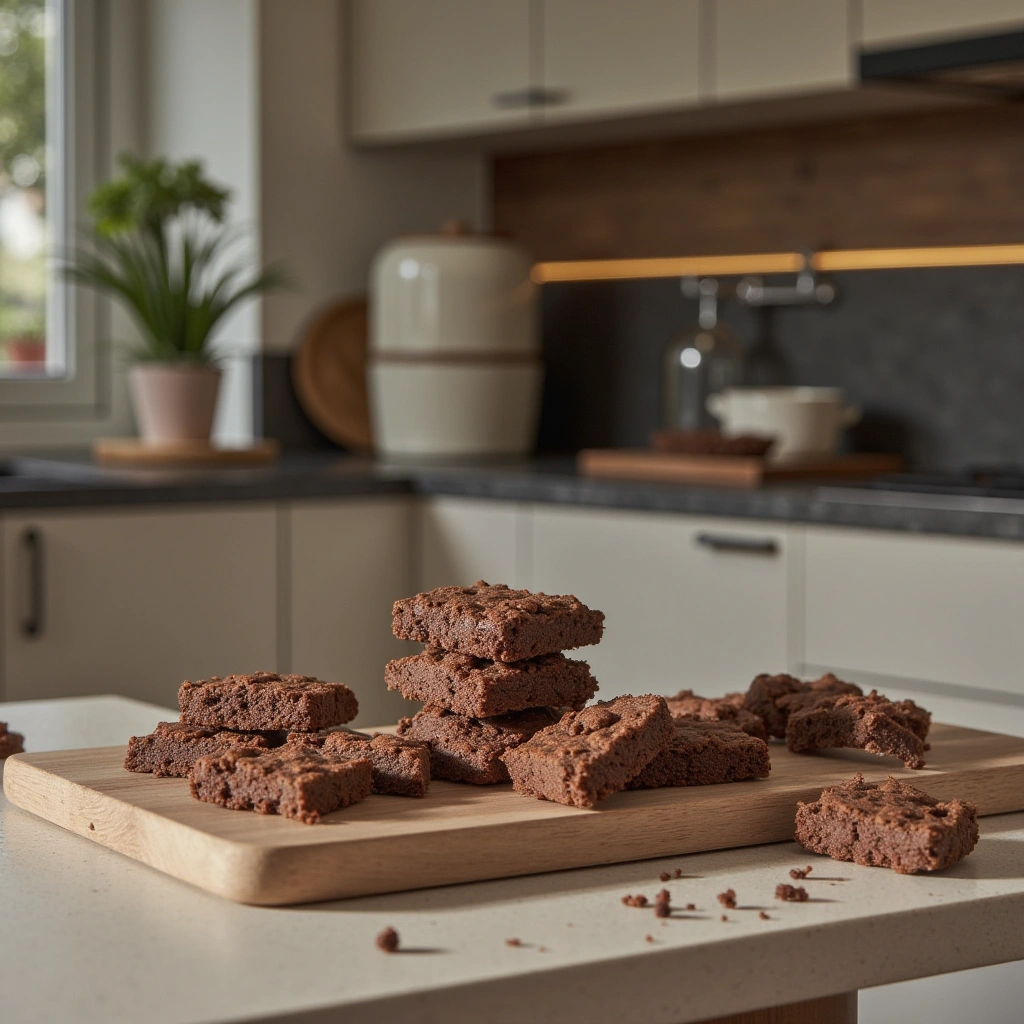
Carob dog treats are homemade or store-bought snacks made primarily with carob powder or chips, combined with wholesome ingredients to create a safe, delicious snack for dogs. Carob is derived from the pods of the carob tree (Ceratonia siliqua), native to the Mediterranean region. It has a naturally sweet, rich flavor that resembles chocolate but is entirely safe for dogs.
| Term | Definition |
|---|---|
| Carob | A natural chocolate substitute made from the dried pods of the carob tree. It contains no caffeine or theobromine, which are toxic to dogs. |
| Theobromine | A stimulant found in chocolate that is harmful to dogs. Carob lacks this compound. |
| Vet-Approved | Approved by veterinarians as safe and healthy for canine consumption when used in moderation. |
Why Choose Carob for Your Dog?
- Chocolate Alternative: Dogs love the flavor, but it’s safe.
- Rich in Fiber: Supports digestive health.
- Low in Fat: Good for weight management.
- Contains Natural Sugars: Satisfies sweet cravings healthily.
- Antioxidants: Carob contains polyphenols that promote overall health.
Materials Needed for Making Carob Dog Treats
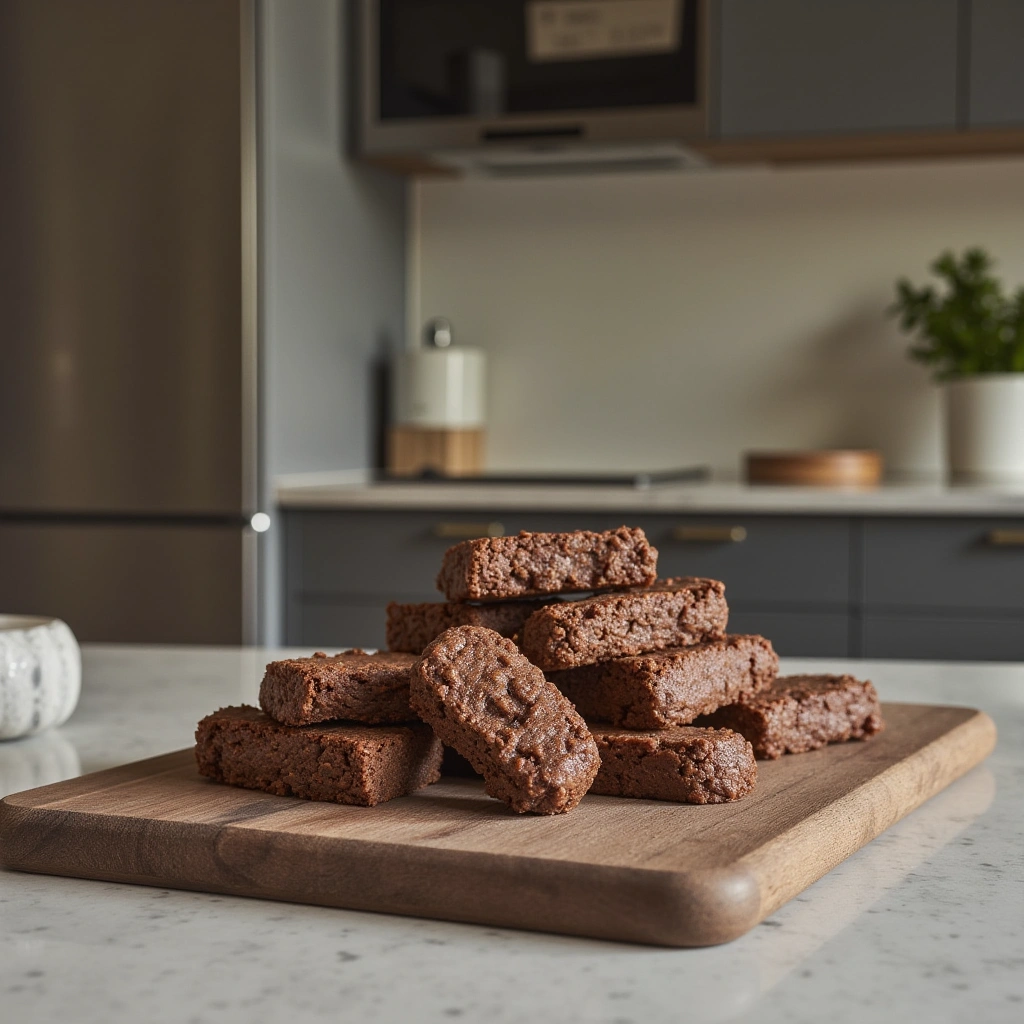
Before diving into the recipe, let’s gather all the essentials. Having everything ready makes the process smooth.
| Material | Quantity | Notes |
|---|---|---|
| Carob Powder | 1 cup | Use unsweetened, natural carob powder for best results. |
| Whole Wheat Flour | 2 cups | Can substitute with oat or rice flour for gluten-free options. |
| Rolled Oats | 1 cup | Adds texture and fiber. |
| Eggs | 2 large | Help bind ingredients together. |
| Natural Honey | 2 tbsp | Optional, for sweetness. Use sparingly. |
| Peanut Butter (unsweetened) | ½ cup | Adds flavor and moisture. Ensure it’s xylitol-free. |
| Water or Unsweetened Applesauce | ½ cup | Adjust as needed for dough consistency. |
| Baking Sheet | 1 | For baking treats. |
| Parchment Paper | 1 sheet | Prevents sticking. |
| Cookie Cutter | Optional | For shaping treats into fun forms. |
Step-by-Step Guide to Making Carob Dog Treats
1. Preparing Your Workspace
- Clear your countertop.
- Preheat your oven to 350°F (175°C).
- Line your baking sheet with parchment paper.
2. Mixing the Ingredients
Step 1: In a large mixing bowl, combine the dry ingredients:
- 1 cup of carob powder
- 2 cups of whole wheat flour
- 1 cup of rolled oats
Step 2: In a separate bowl, whisk the eggs, honey, and peanut butter until smooth.
Step 3: Gradually add the wet mixture into the dry ingredients, stirring continuously.
Step 4: Add water or applesauce a little at a time until the dough becomes firm but pliable. You want it to hold together but not be sticky.
3. Shaping the Treats
- Lightly flour a clean surface.
- Roll out the dough to about ¼ inch thickness.
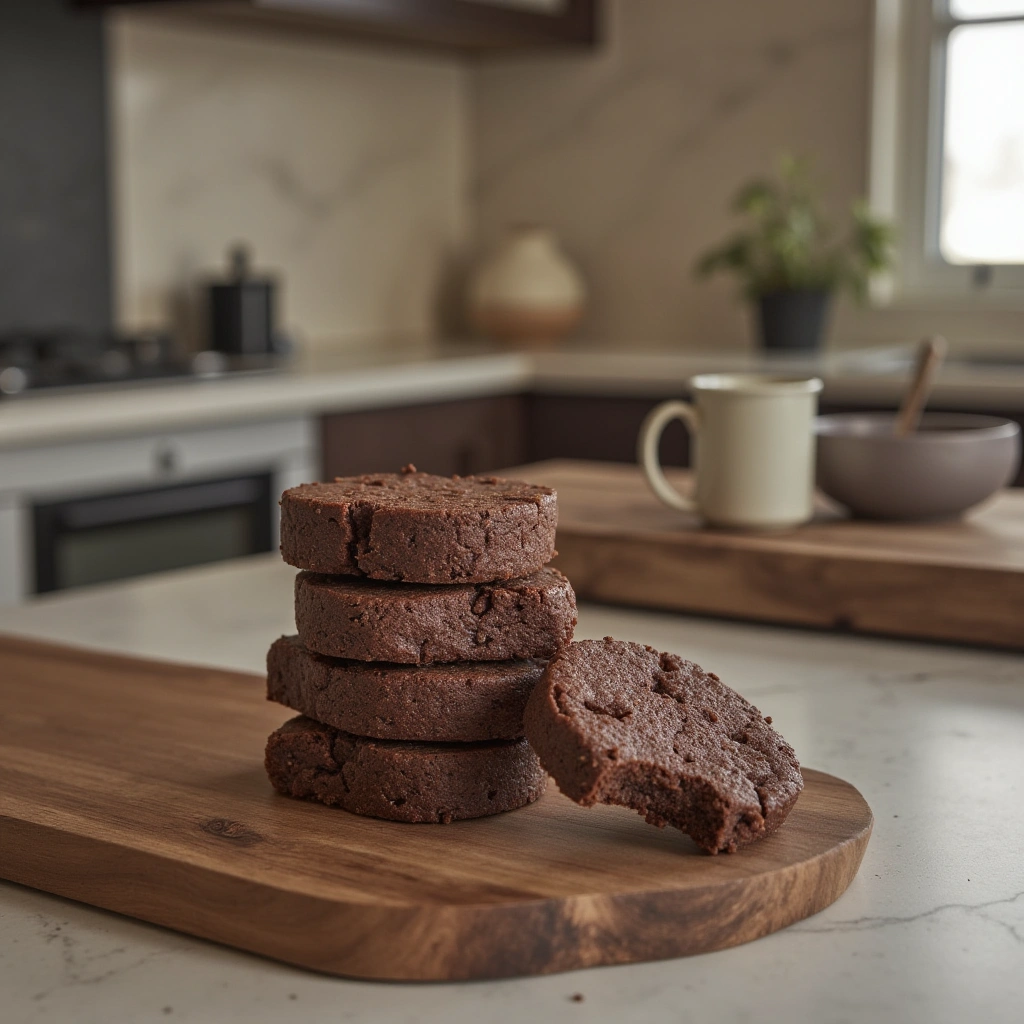
- Use cookie cutters to cut into fun shapes, or simply cut into small squares with a knife.
4. Baking
- Place the cut treats onto the prepared baking sheet.
- Bake for 15–20 minutes, or until they are firm and slightly browned.
- Let them cool completely on a wire rack before serving.
5. Storage
- Store treats in an airtight container.
- They stay fresh for up to a week at room temperature.
- For longer shelf life, refrigerate or freeze.
Tips for Success
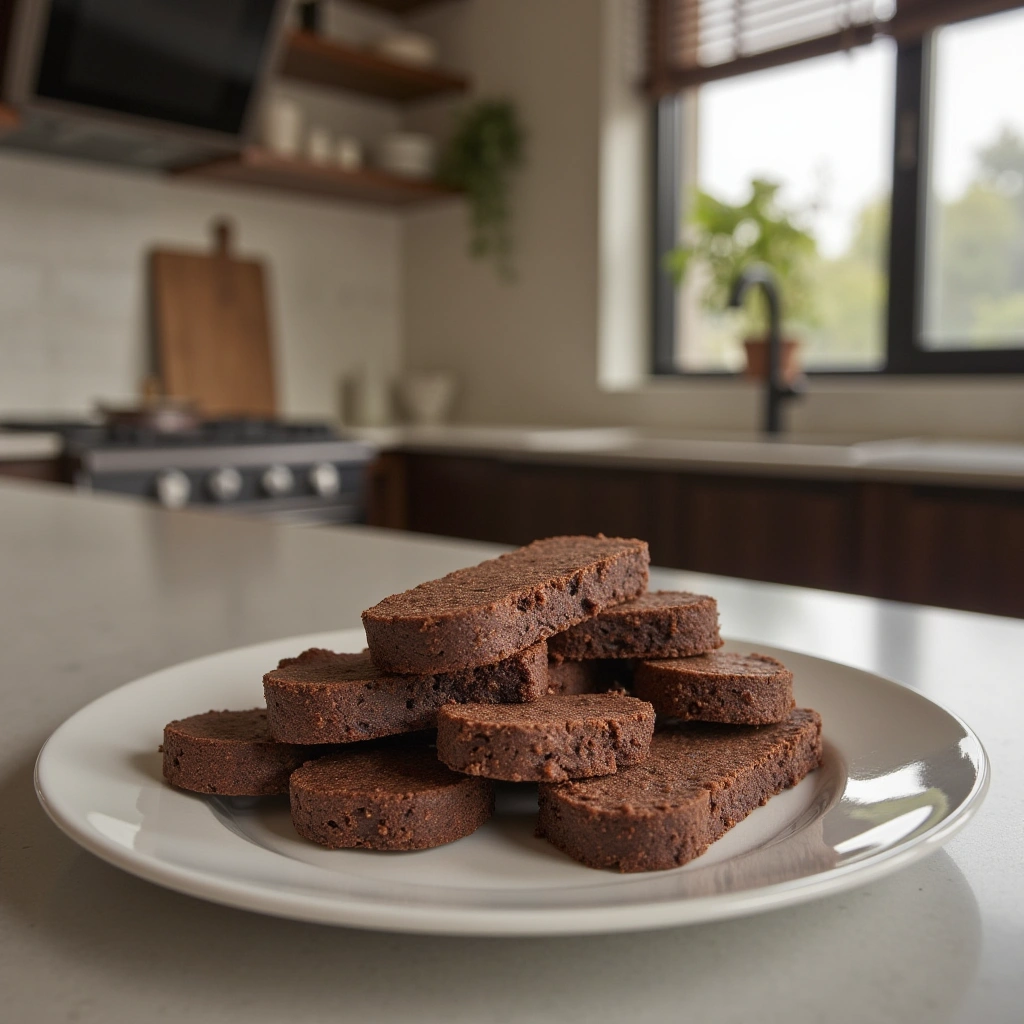
- Use natural, unsweetened ingredients: Always check labels to avoid xylitol and artificial sweeteners.
- Adjust moisture levels: Add water or applesauce gradually to get the right dough consistency.
- Experiment with shapes: Use different cookie cutters to make treats more appealing.
- Test for allergies: Introduce treats gradually, especially if your dog has food sensitivities.
- Portion control: Treats should only be given in moderation—about 1–2 treats per day depending on your dog’s size.
Common Mistakes and How to Avoid Them
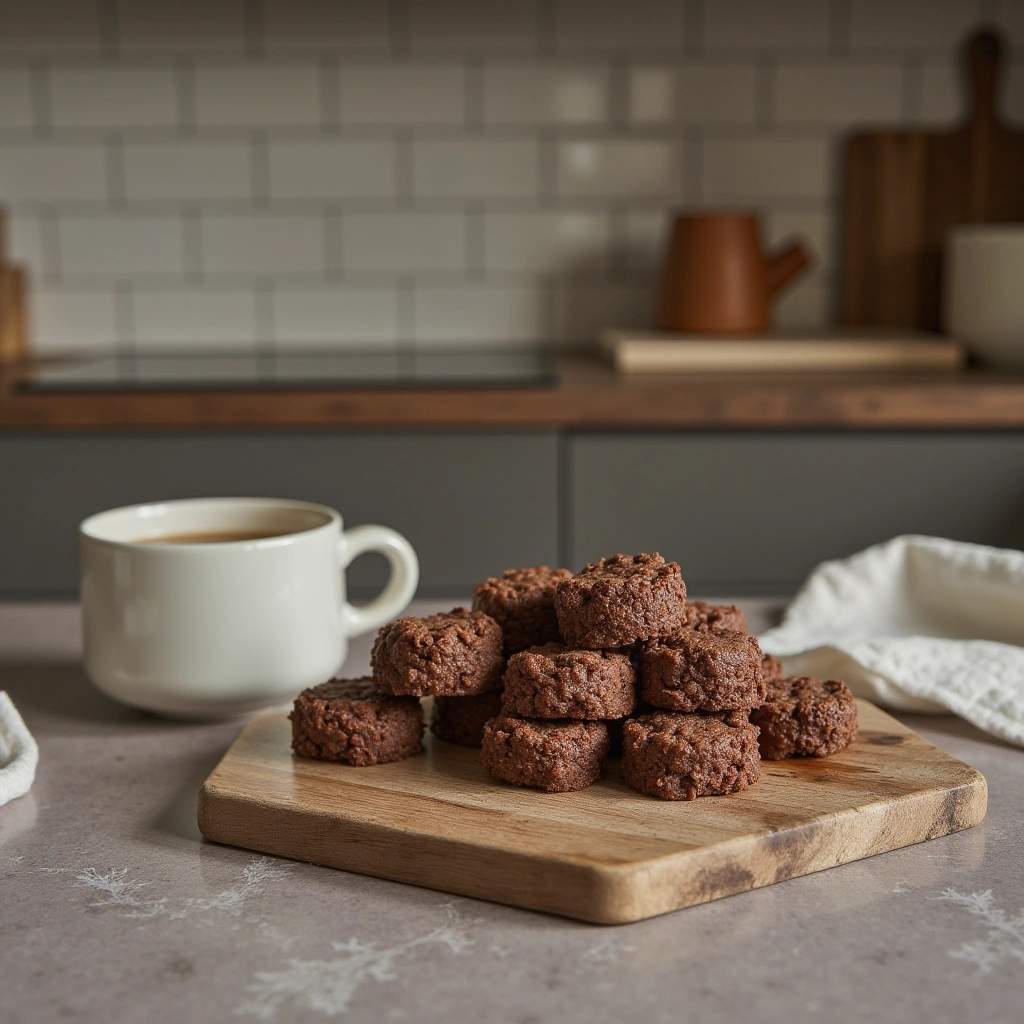
| Mistake | Solution |
|---|---|
| Using chocolate or chocolate-flavored products | Always verify ingredients—never use real chocolate. |
| Overbaking treats | Keep an eye on the oven; overbaked treats can become hard and difficult to chew. |
| Not adjusting dough consistency | Too sticky? Add more flour; too dry? Add a splash of water or applesauce. |
| Giving too many treats | Remember, treats should complement a balanced diet, not replace meals. |
Variations of Carob Dog Treats
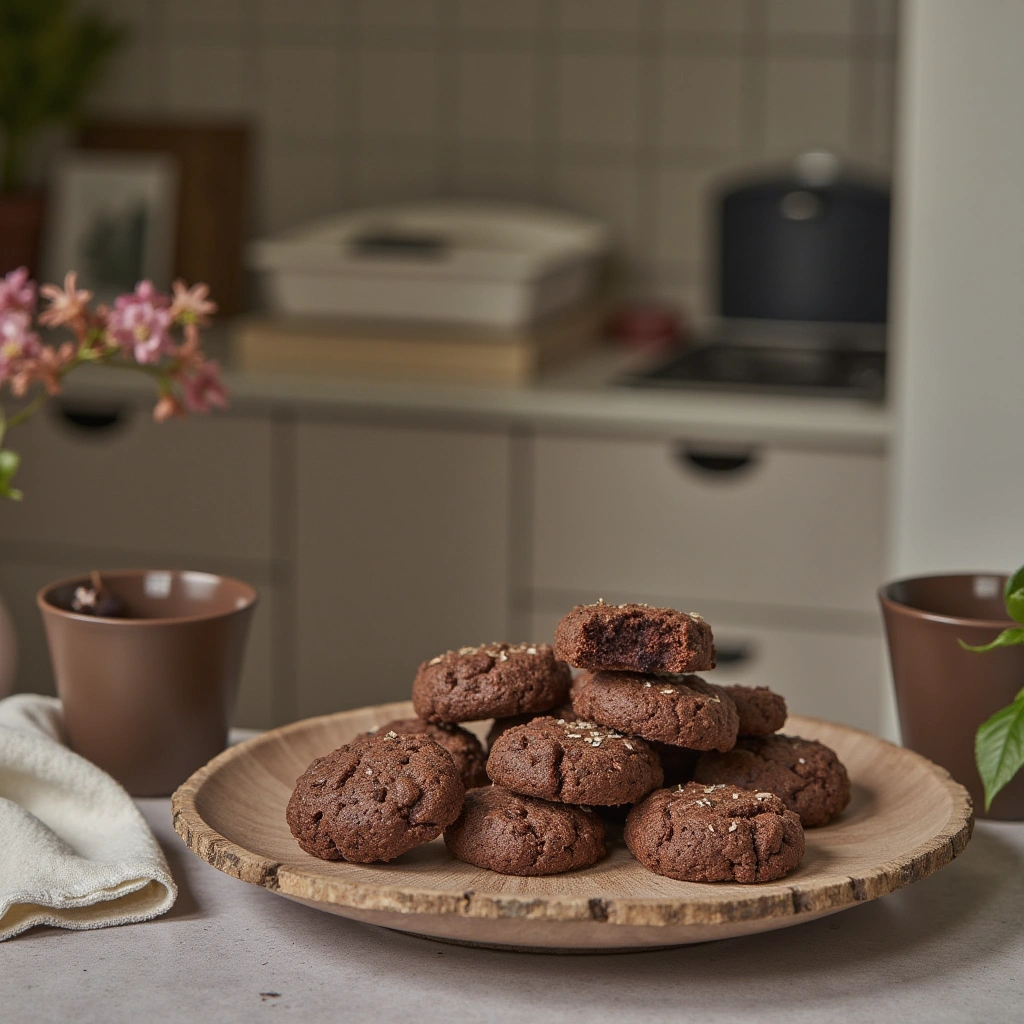
Want to switch things up? Here are some ideas:
- Peanut Butter & Banana: Add mashed bananas for extra flavor and nutrients.
- Carob and Pumpkin: Mix in pureed pumpkin for added fiber and vitamins.
- Frozen Carob Bites: Pour the batter into ice cube trays and freeze for a cooling treat.
- Gluten-Free Version: Use oat or rice flour instead of wheat flour.
Final Thoughts
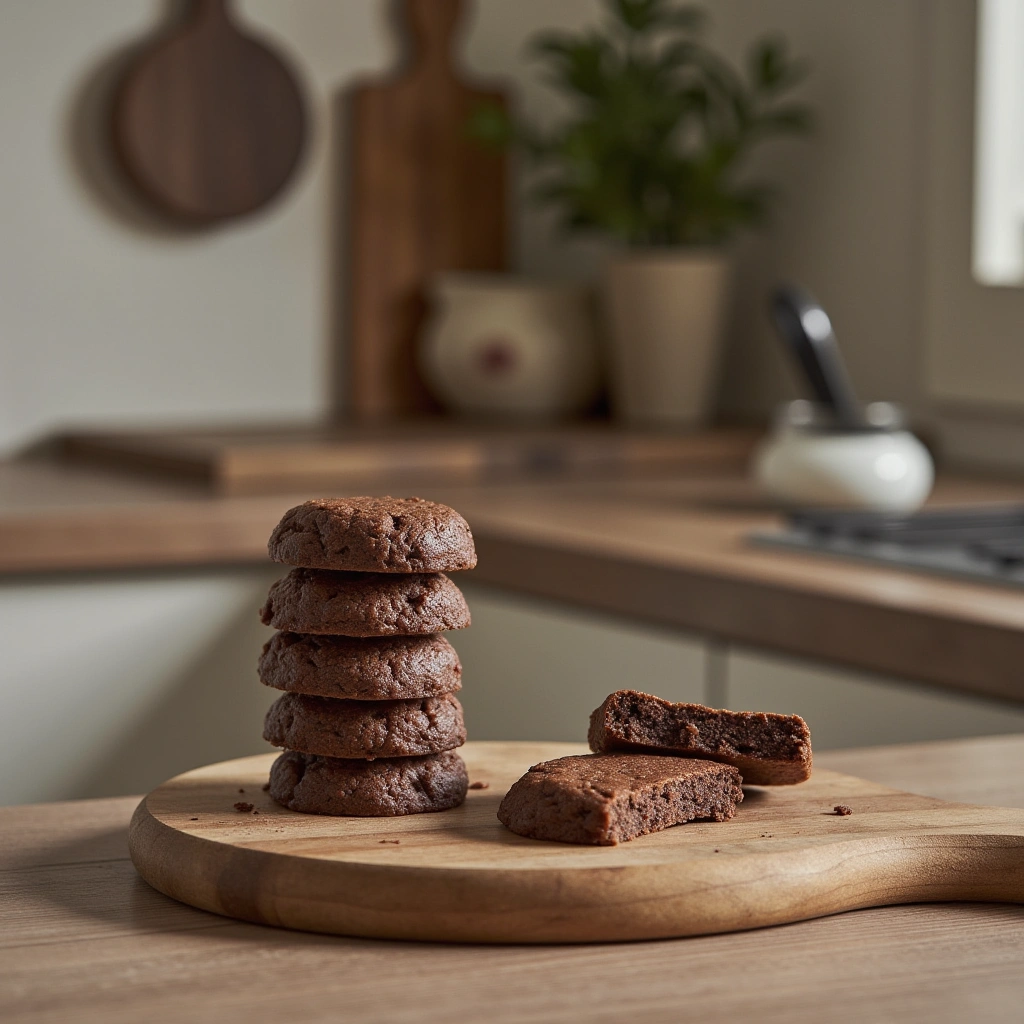
Making your own carob dog treats at home is a rewarding way to spoil your pup with healthy, safe snacks. Not only can you control the ingredients, but you also get to have fun shaping and customizing the treats. Remember to keep ingredients natural, portion treats wisely, and enjoy the bonding experience with your furry friend.
So next time your dog looks at you with those hopeful eyes, whip up a batch of these homemade carob delights. Happy baking—and here’s to happy, healthy pups!
Remember, always consult your veterinarian before introducing new treats into your dog’s diet, especially if your pet has health issues or allergies. Enjoy making and sharing these treats with your four-legged best friend!