When it comes to feeding our furry friends, I know how important it is to find the most accurate, healthy, and tasty homemade dog food recipes. After years of researching and testing, I’m confident I can guide you through making the best salmon and sweet potato dog food recipes that your dog will love and benefit from.
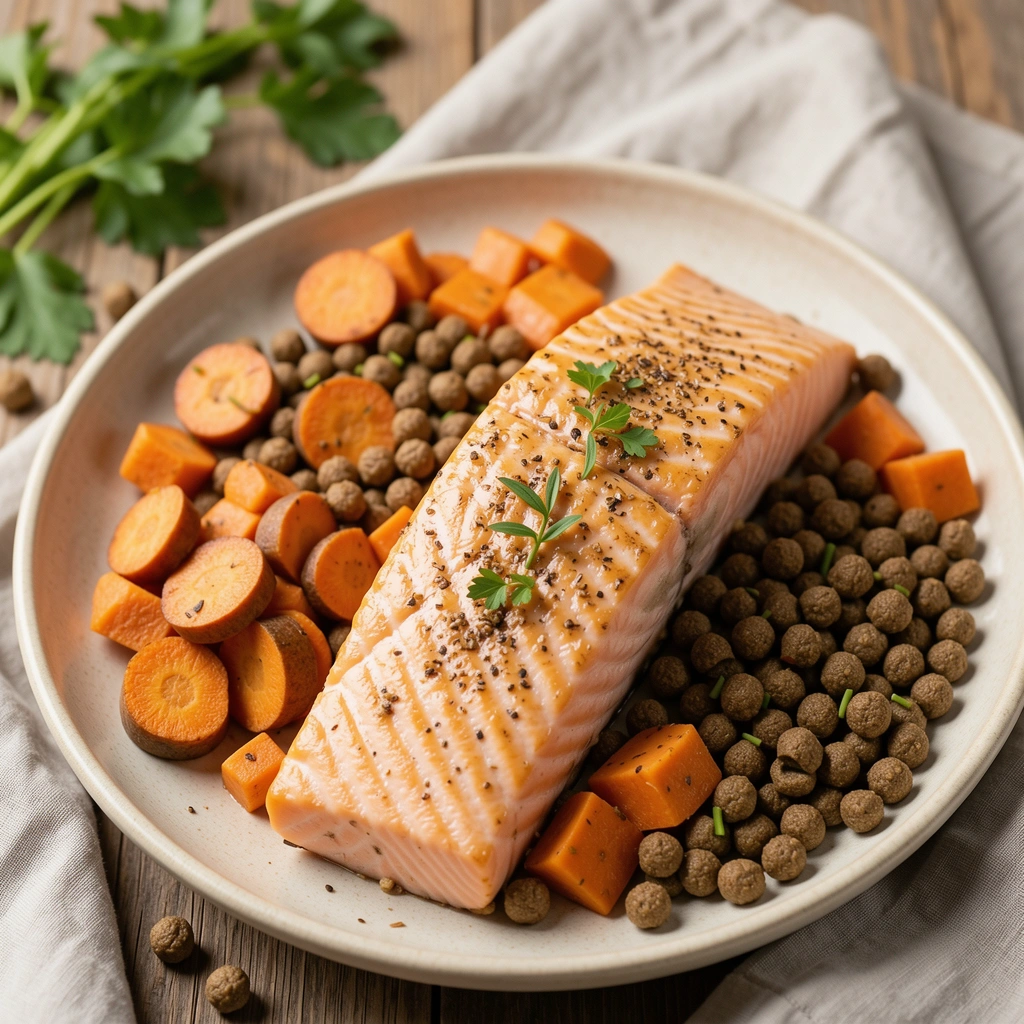
So, what makes salmon and sweet potato dog food recipes special? Simply put, these recipes combine nutrient-rich salmon with high-fiber, vitamin-packed sweet potatoes to create a balanced, wholesome meal for dogs. Salmon provides essential omega-3 fatty acids and protein, while sweet potatoes offer digestible carbohydrates and fiber—all vital for your dog’s health.
If you want to learn how to prepare these recipes step-by-step, understand their health benefits, and get practical tips on feeding your dog safely, keep reading. I’ll walk you through everything you need to know!
Why Salmon and Sweet Potato Are Perfect for Your Dog’s Diet
Let’s talk about why salmon and sweet potato make such a fantastic pairing for your dog’s meals. Salmon is a powerhouse of nutrition. It’s rich in omega-3 fatty acids, which support brain function, reduce inflammation, and promote a shiny coat. Plus, salmon’s high-quality protein helps build strong muscles and maintain overall health.
Sweet potatoes are equally impressive. Unlike regular potatoes, they have a low glycemic index, which means they release energy slowly and help maintain steady blood sugar levels. They’re packed with fiber, vitamin A, and antioxidants that support digestion and a strong immune system.
Together, these ingredients create a balanced meal that’s easy on your dog’s stomach and full of essential nutrients. Whether your dog is young, senior, or has specific dietary needs, salmon and sweet potato can be adapted to fit their lifestyle.
Understanding Homemade Dog Food: More Than Just Ingredients
Making your dog’s food at home might sound simple, but it’s crucial to understand the balance of nutrients they need. Dogs require a good mix of protein, fats, carbohydrates, vitamins, and minerals to thrive. Simply mixing salmon and sweet potatoes won’t cover everything.
That’s why, in the recipes below, I’ll show you how to incorporate other vital ingredients like vegetables, supplements, and oils to round out the meal. I’ll also explain safe preparation methods to avoid common mistakes like overfeeding or using harmful ingredients.
By the end of this article, you’ll not only have delicious recipes but also the confidence to customize meals tailored to your dog’s health needs.
Classic Salmon and Sweet Potato Dog Food Recipe: The All-Rounder
This recipe is a great starting point for anyone interested in homemade dog food. It’s simple, nutritious, and easy to prepare.
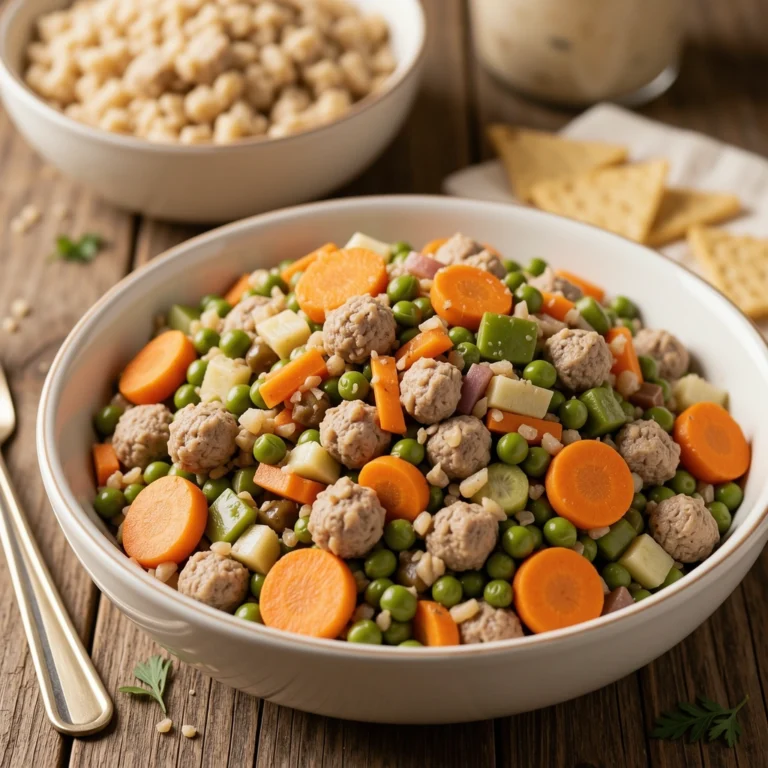
Salmon provides lean protein and omega-3s, while sweet potatoes bring fiber and vitamins. Adding carrots and peas boosts antioxidants and fiber, helping digestion and overall wellness.
Ingredients:
- 1 lb fresh salmon fillet (skin removed, deboned)
- 1 large sweet potato, peeled and diced
- 1/2 cup carrots, chopped
- 1/2 cup peas (fresh or frozen)
- 1 tablespoon olive oil
- 1/4 teaspoon turmeric (optional for anti-inflammatory benefits)
- 1/4 teaspoon salmon oil (optional for extra omega-3s)
Instructions:
- Boil or steam the sweet potatoes until tender (about 15 minutes).
- Steam or boil carrots and peas until soft.
- Cook salmon by baking or steaming until it flakes easily (about 10 minutes).
- Combine all ingredients in a bowl and mash or blend to desired consistency.
- Add olive and salmon oil, and sprinkle turmeric if using. Mix well.
- Let cool before serving.
Practical Tip:
Store leftovers in airtight containers in the fridge for up to 3 days or freeze portions for longer storage. Always serve at room temperature to avoid digestive upset.
This classic recipe suits most dogs and works well for transitioning from commercial kibble to homemade meals. It balances taste and nutrition without overwhelming you with complicated steps.
Grain-Free Salmon and Sweet Potato Recipe for Sensitive Stomachs
Many dogs have food sensitivities or allergies, especially to grains. This recipe is crafted to avoid common allergens while still providing a nutrient-rich meal.
Instead of grains, we rely on sweet potatoes for carbs and fiber. The salmon remains the protein star, accompanied by gentle veggies like zucchini and spinach to aid digestion without irritation.
Ingredients:
- 1 lb wild-caught salmon fillet, skin removed
- 1 medium sweet potato, diced
- 1/2 cup zucchini, chopped
- 1/2 cup spinach, chopped
- 1 tablespoon coconut oil
- 1 teaspoon ground flaxseed (for extra omega-3 and fiber)
Instructions:
- Steam sweet potatoes until soft.
- Lightly steam zucchini and spinach.
- Bake or steam salmon until it flakes.
- Mix all ingredients, adding coconut oil and flaxseed.
- Cool before serving.
Practical Tip:
Introduce flaxseed slowly to avoid digestive upset and always grind it fresh for maximum nutrient absorption.
This grain-free recipe is ideal for dogs with allergies or sensitive digestion. It’s gentle but still packed with essential nutrients, making mealtime a treat rather than a worry.
Salmon and Sweet Potato Stew with Vegetables: A Comforting Meal
For dogs that love a hearty, stew-like texture, this recipe combines salmon and sweet potato with a medley of dog-safe vegetables like green beans, pumpkin, and carrots.
The slow-cooked style helps release flavors and softens ingredients for easy digestion, perfect for older dogs or picky eaters.
Ingredients:
- 1 lb salmon fillet, skin and bones removed
- 1 large sweet potato, diced
- 1/2 cup green beans, chopped
- 1/2 cup pumpkin puree (unsweetened)
- 1/2 cup carrots, chopped
- 2 cups low-sodium chicken broth (or water)
- 1 tablespoon fish oil
Instructions:
- In a pot, combine sweet potato, green beans, carrots, and broth.
- Simmer on low heat until vegetables are soft (about 20 minutes).
- Add salmon chunks and pumpkin puree, cooking gently until salmon is done (about 10 minutes).
- Stir in fish oil and cool before serving.
Practical Tip:
Make larger batches and freeze in single-serving containers for quick meals on busy days.
This stew-style recipe is versatile and comforting, suitable for dogs who may have trouble chewing or prefer soft food. It’s also a great way to sneak in extra veggies.
Salmon and Sweet Potato Patties: Fun and Nutritious Treats
If you want to spice up mealtime with fun shapes or need healthy treats, salmon and sweet potato patties are a perfect choice. These can be baked and stored, making them convenient for training or snacks.
The combination of salmon and sweet potato offers a balance of protein and carbs, with added eggs to bind and provide extra nutrients.
Ingredients:
- 1 lb cooked salmon, flaked
- 1 cup cooked sweet potato, mashed
- 1 egg
- 1/4 cup oat flour (optional, for binding)
- 1 tablespoon parsley (optional, for fresh breath)
Instructions:
- Preheat oven to 350°F (175°C).
- Mix salmon, sweet potato, egg, oat flour, and parsley until combined.
- Form into small patties and place on a baking sheet lined with parchment.
- Bake for 20-25 minutes or until firm and golden.
- Let cool completely before offering to your dog.
Practical Tip:
Store patties in the fridge for up to a week or freeze for longer shelf life. Use as treats or meal toppers.
These patties make feeding fun and interactive while providing a wholesome snack option. They’re great for dogs that need extra encouragement to eat or as a reward during training.
Nutritional Considerations When Feeding Salmon and Sweet Potato to Dogs
While salmon and sweet potatoes are excellent ingredients, it’s important to consider the full nutritional picture. Dogs require:
- Protein: For muscle maintenance and energy. Salmon is an excellent source.
- Carbohydrates and Fiber: Sweet potatoes provide digestion support and slow energy release.
- Fats: Omega-3s from salmon help with coat health and inflammation.
- Vitamins and Minerals: Additional veggies and supplements cover these essential nutrients.
- Calcium: Often missing in homemade diets, calcium can be provided via ground eggshells or supplements.
Remember to avoid ingredients harmful to dogs such as onions, garlic, excessive salt, and artificial additives. Also, consult your vet before making significant diet changes, especially for dogs with health conditions.
How to Safely Prepare Salmon for Your Dog
Salmon is fantastic for dogs but requires careful preparation to ensure safety:
- Avoid Raw Salmon: Raw or undercooked salmon can carry parasites like Neorickettsia helminthoeca, which causes salmon poisoning disease.
- Cook Thoroughly: Bake, steam, or boil salmon until fully cooked and flaky.
- Remove Skin and Bones: Salmon skin can be tough to digest, and bones pose choking hazards.
- Use Wild-Caught Salmon: Farmed salmon may contain contaminants or antibiotics.
Following these steps protects your dog while maximizing the nutritional benefits of salmon.
Sweet Potato Preparation Tips for Dogs
Sweet potatoes are safe and beneficial but must be prepared correctly:
- Cook Thoroughly: Raw sweet potatoes are hard to digest and can upset your dog’s stomach. Boil, bake, or steam until soft.
- Avoid Seasonings: No salt, sugar, or spices.
- Portion Control: Too much fiber can cause gas or diarrhea. Start with small amounts.
- Peeling: Removing the skin can help reduce digestive issues, but many dogs tolerate the skin well if washed properly.
Proper preparation ensures your dog enjoys the benefits without side effects.
Incorporating Supplements for a Balanced Homemade Diet
To make salmon and sweet potato recipes fully balanced, consider these supplements:
- Calcium: Ground eggshells or commercial calcium powders.
- Multivitamins: Dog-specific supplements can fill nutrient gaps.
- Probiotics: Support digestion and gut health.
- Fish Oil: Boost omega-3 content further.
Always discuss supplements with your veterinarian to tailor to your dog’s needs.
Transitioning Your Dog to Homemade Salmon and Sweet Potato Meals
Switching from commercial dog food to homemade meals requires patience:
- Gradual Introduction: Mix increasing amounts of homemade food with current diet over 7-10 days.
- Watch for Reactions: Monitor stool, energy levels, and overall health.
- Adjust Portions: Homemade food can be more filling, so adjust quantity accordingly.
- Stay Hydrated: Ensure fresh water is always available.
A smooth transition helps your dog adapt and enjoy their new diet comfortably.
Storing and Serving Homemade Salmon and Sweet Potato Dog Food
Proper storage keeps your dog’s food fresh and safe:
- Refrigerate: Store meals in airtight containers for up to 3 days.
- Freeze: Portion meals in freezer-safe containers or bags for up to 3 months.
- Thaw Safely: Defrost in the fridge overnight.
- Serve at Room Temperature: Cold food can upset your dog’s stomach.
These tips maintain food quality and make feeding easier for busy pet parents.
Common Mistakes to Avoid with Salmon and Sweet Potato Dog Food
Avoid these pitfalls to keep your dog safe and healthy:
- Using raw salmon without cooking.
- Feeding sweet potatoes with added salt, sugar, or spices.
- Forgetting to remove bones and skin from salmon.
- Overfeeding without adjusting caloric intake.
- Neglecting to supplement for missing nutrients like calcium.
Being mindful of these will help you provide a balanced, safe diet.
Final Thoughts on Salmon and Sweet Potato Dog Food Recipes
Feeding your dog salmon and sweet potato meals is a wonderful way to provide balanced nutrition while avoiding fillers and artificial ingredients. These recipes offer a variety of textures and flavors to keep your dog interested and healthy.
Remember, homemade dog food requires attention to detail, balanced nutrition, and proper preparation. With the recipes and tips shared here, you’re well-equipped to make nutritious meals your dog will love.
Thanks for sticking with me through this guide on salmon and sweet potato dog food recipes. Now you have the tools to create healthy, delicious homemade meals that support your dog’s vitality and happiness. Happy cooking!
Keyword: Salmon and sweet potato dog food recipes