Hey friends, have you ever wondered how to keep your furry companion safe during hot summer days? Heat stroke in dogs is a serious concern, and it can happen faster than you think. Today, I’ll walk you through everything you need to know to protect your dog from overheating.
Dogs are naturally prone to heat-related illnesses because they don’t sweat like humans do. This guide will help you understand the signs, prevent heat stroke, and respond effectively if it occurs. By the end, you’ll have actionable tips to keep your dog cool, healthy, and happy.
What is Heat Stroke in Dogs?
Heat stroke is a severe medical condition where a dog’s body temperature rises dangerously high, typically above 104°F (40°C). If untreated, it can lead to organ damage, brain injury, or even death.
Key Terms:
- Hyperthermia: Abnormally high body temperature due to heat exposure.
- Panting: Dogs’ primary way to cool down; excessive panting is an early warning sign.
- Dehydration: Loss of body fluids that worsens heat stress.
- Shock: A critical stage where the body fails to maintain blood flow, often caused by untreated heat stroke.
Signs Your Dog is Overheating
It’s crucial to recognize heat stroke early. Here are the most common signs:
- Heavy panting or difficulty breathing
- Drooling excessively
- Bright red or pale gums
- Rapid heartbeat
- Weakness or collapse
- Vomiting or diarrhea
- Dizziness or confusion
Pro Tip: Check your dog’s temperature with a rectal thermometer. A reading above 104°F (40°C) is an emergency.
Causes of Heat Stroke in Dogs
Dogs can overheat for various reasons. Common causes include:
- High outdoor temperatures – especially above 85°F (29°C)
- Humid conditions – reduces heat evaporation
- Excessive exercise – running or playing in the sun
- Confined spaces – cars, poorly ventilated rooms
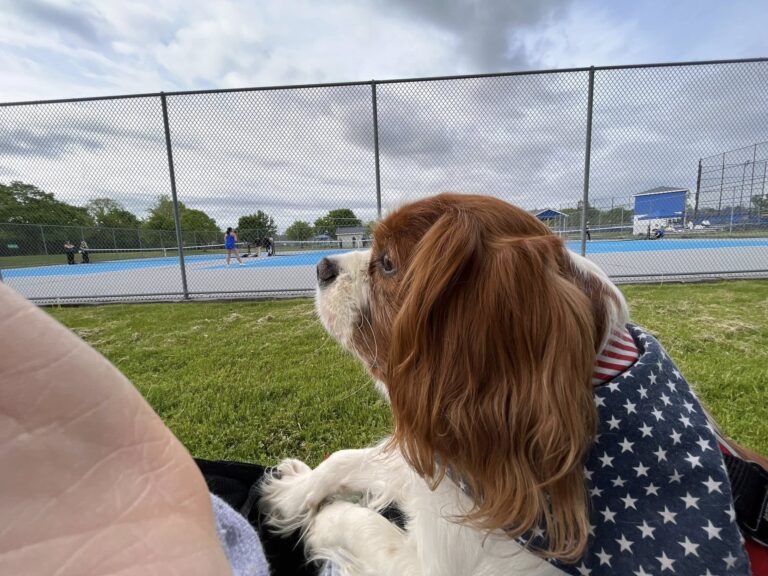
- Certain breeds – brachycephalic breeds like Cavaliers, Bulldogs, and Pugs are more prone
Materials Needed to Prevent Heat Stroke
| Item | Purpose | Recommended Usage |
|---|---|---|
| Fresh water | Hydration | Always available indoors and outdoors |
| Cooling mat | Temperature control | Place in shady or indoor areas |
| Portable fan | Air circulation | Use in confined spaces like cars or tents |
| Dog-safe sunscreen | Skin protection | For dogs with light coats or exposed skin |
| Shade or umbrella | Shelter | Prevent direct sun exposure |
| Wet towels or bandanas | Quick cooling | Drape over neck or back for instant relief |
| Emergency thermometer | Early detection | Monitor temperature during heat waves |
Step-by-Step Guide to Keep Your Dog Cool
Here’s how I personally ensure my dog stays safe during hot days:
- Provide Plenty of Water
Always have fresh water available. Refill multiple times a day if needed. - Avoid Peak Heat Hours
Walk your dog in the early morning or late evening. Midday sun is dangerous. - Create Cool Zones
Use fans, shaded areas, or cooling mats indoors and outdoors. - Use Wet Towels
Dampen towels with cool water and place on your dog’s neck and belly. - Limit Exercise
Reduce running, fetch, or long walks in hot weather. - Avoid Hot Surfaces
Asphalt and sand can burn paws. Test with your hand—if it’s too hot, it’s unsafe. - Monitor Behavior
Watch for excessive panting, drooling, or lethargy. Act fast if signs appear.
Tips for Success
- Know your dog’s limits – Some dogs handle heat better than others.
- Check humidity levels – High humidity worsens heat stroke risk.
- Keep cars ventilated – Never leave a dog in a parked car, even for a few minutes.
- Use protective gear – Cooling vests or bandanas work wonders.
- Stay alert on walks – Dogs may hide discomfort; always watch closely.
Common Mistakes and How to Avoid Them
| Mistake | Why it’s dangerous | How to avoid |
|---|---|---|
| Leaving dog in car | Cars heat up rapidly | Never leave unattended |
| Ignoring early signs | Heat stroke can escalate quickly | Learn symptoms and act immediately |
| Over-exercising | Increases body temperature | Schedule walks wisely |
| Skipping water breaks | Causes dehydration | Always provide accessible water |
| Using ice directly | Can shock the body | Use cool, not freezing, water |
Similar Variations to Keep Dogs Cool
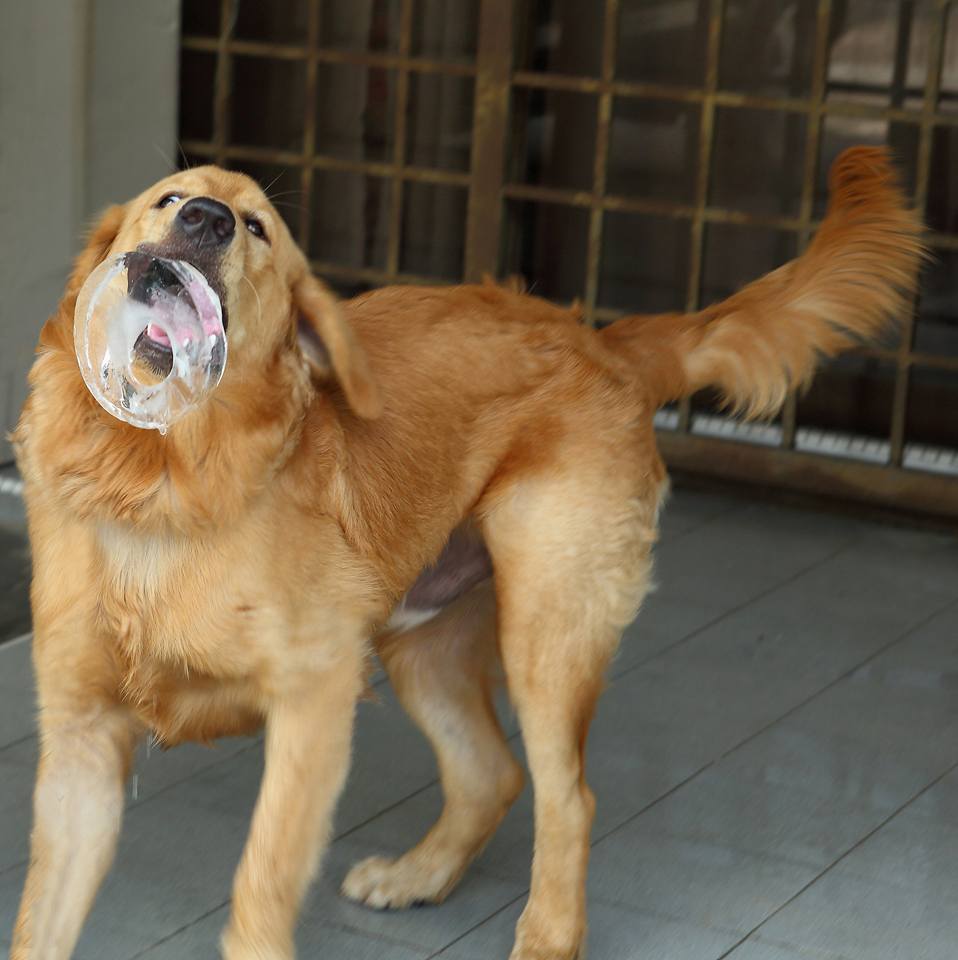
- Frozen treats – Ice cubes, frozen fruit, or dog-safe ice creams
- Kiddie pools – Small, shallow pools for water play
- Shade tents – Portable tents for outdoor outings
- Misting systems – Spray misters in the yard
- Cooling vests – Special jackets to reduce heat stress
Variation Tip: Rotate methods to keep your dog comfortable and interested in cooling strategies.
Emergency Action Plan
If your dog shows signs of heat stroke:
- Move them to a cool, shaded area.
- Offer small amounts of water.
- Apply cool (not ice-cold) water to paws, belly, and neck.
- Use fans or wet towels for faster cooling.
- Take your dog to a veterinarian immediately.
Quick Response Saves Lives – Heat stroke can become fatal within minutes.
Summary
Avoiding heat stroke in dogs is all about awareness, preparation, and quick action. By providing water, shade, and proper cooling strategies, you can ensure your dog stays safe in high temperatures. Monitoring behavior, knowing the signs, and having a materials list ready are key steps every dog owner should follow. Remember, prevention is always better than emergency treatment.
Keep your dog cool, hydrated, and happy this summer. Heat stroke is preventable when you take proactive steps today.