Ever had your dog suddenly get an upset tummy, leaving messy surprises around the house? I’ve been there, and it can be stressful. You worry if it’s serious or just a passing thing.
Dog diarrhea remedies aren’t just about cleaning up the mess—they’re about giving your dog comfort, preventing dehydration, and knowing when it’s time to see the vet.
In this guide, I’ll walk you through clear remedies, practical steps, and what most articles leave out, so you can feel prepared the next time your pup has tummy troubles.
Understanding Dog Diarrhea
Before diving into remedies, let’s clear up what dog diarrhea really means and why it happens.
Key Terms Defined
- Diarrhea: Frequent, loose, or watery stools caused by irritation in the digestive system.
- Acute Diarrhea: Sudden onset, usually lasting a few days; often caused by diet changes, stress, or minor infections.
- Chronic Diarrhea: Lasting more than two weeks; may signal deeper issues like food allergies, parasites, or inflammatory bowel disease.
- Dehydration: Excessive fluid loss from the body; a major risk when diarrhea lasts too long.
Common Causes of Dog Diarrhea
Most competitors skip explaining why diarrhea happens, but knowing the cause helps you choose the right remedy.
- Sudden diet change
- Eating table scraps, spoiled food, or garbage
- Stress or anxiety (travel, moving, loud noises)
- Food allergies or intolerances
- Parasites (worms, giardia, coccidia)
- Bacterial or viral infections
- Medications (like antibiotics)
- Chronic illnesses (IBD, pancreatitis, liver/kidney disease)
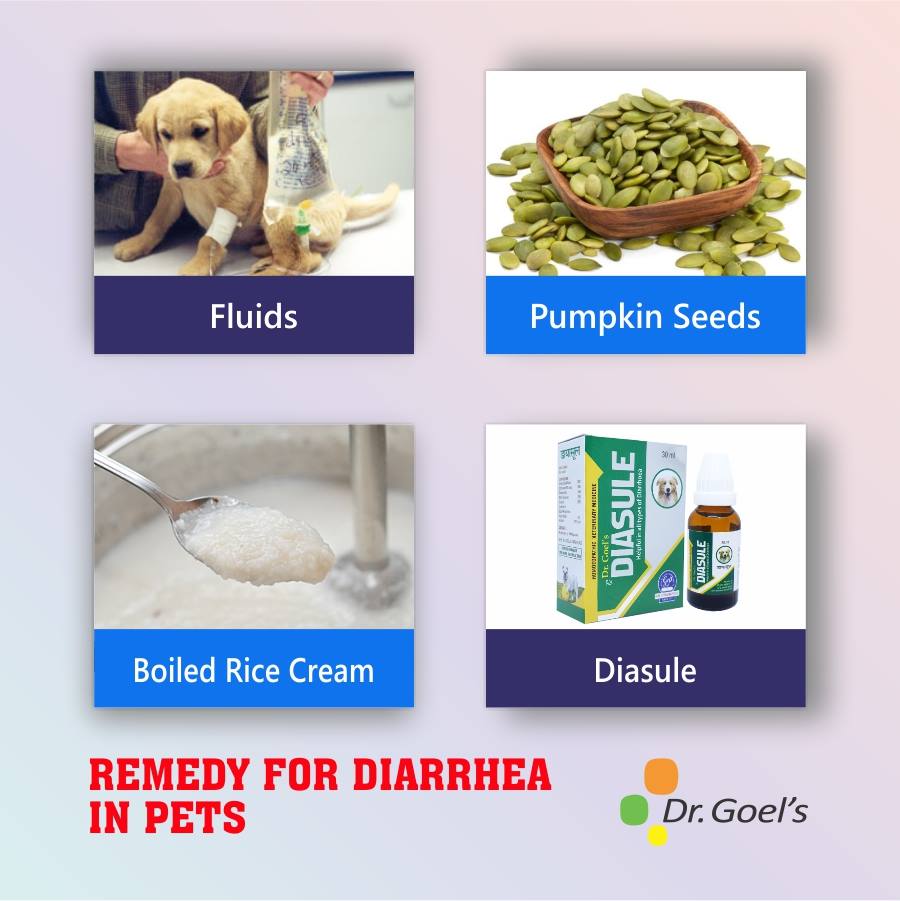
First Steps When Your Dog Has Diarrhea
Here’s a step-by-step response plan I personally recommend when your pup’s stomach goes off.
- Pause food (not water): Give their digestive system a 12–24 hour rest, but always keep water available.
- Check hydration: Gently pinch their skin—if it doesn’t spring back, dehydration may be setting in.
- Offer bland food: Cooked rice with plain boiled chicken or pumpkin puree can soothe digestion.
- Use probiotics: Can help restore healthy gut bacteria.
- Monitor closely: Keep track of frequency, color, and consistency of stools.
- Seek the vet if needed: If diarrhea lasts more than 48 hours, contains blood, or your dog is very lethargic, it’s time for professional help.
Materials Needed for At-Home Remedies
When treating dog diarrhea at home, a few basic supplies make the process safer and smoother.
| Item | Purpose | Notes |
|---|---|---|
| Fresh Water | Prevents dehydration | Refill often, encourage drinking |
| White Rice | Gentle carbohydrate | Cook plain, no salt or seasoning |
| Boiled Chicken | Lean protein | Skinless, boneless, unseasoned |
| Pumpkin Puree | Soothes digestion | Use plain canned, not pie filling |
| Probiotic Supplement | Restores gut health | Dog-specific brands recommended |
| Electrolyte Solution (Pedialyte) | Replenishes fluids | Only in small amounts if advised by vet |
| Thermometer | Monitor fever | Normal dog temp: 101–102.5°F |
| Gloves & Cleaning Supplies | Hygiene | Prevents spreading germs in household |
Home Remedies That Actually Work
Let’s break down the remedies into actionable steps you can follow:
- Bland Diet Reset:
- Boil chicken and rice in a 2:1 ratio.
- Feed small portions, gradually increasing as stools improve.
- Pumpkin Puree:
- Add 1–2 tablespoons to meals.
- Helps firm stool naturally due to fiber content.
- Plain Yogurt or Dog Probiotics:
- Provides good bacteria for gut balance.
- Bone Broth:
- Hydrates and soothes while being gentle on digestion.
Tips for Success
- Always introduce new foods slowly, even bland ones.
- Keep a feeding schedule consistent—no random snacking.
- Use a journal to note food changes, bowel movements, and hydration levels.
- Reward calm behavior—stress worsens stomach issues.
Common Mistakes to Avoid
- Skipping water: Dogs dehydrate faster than you think.
- Using human meds: Medicines like Imodium can be dangerous for dogs.
- Feeding fatty foods: Avoid hamburger, oily chicken skin, or dairy (except plain yogurt).
- Ignoring red flags: Blood, black tarry stools, or vomiting need veterinary attention.
Variations and When to Adjust
Sometimes one remedy isn’t enough, and you may need to adapt.
- For puppies: Stick to bland foods and consult a vet quickly, since they dehydrate faster.
- For senior dogs: Add bone broth or electrolyte support, as they’re more fragile.
- For food-sensitive dogs: Try boiled turkey instead of chicken.
- For chronic cases: A prescription diet or allergy testing may be needed.
When to Call the Vet
Home remedies are great, but they’re not always the full answer. Seek help if:
- Diarrhea lasts more than 48 hours
- There’s blood, mucus, or black stools
- Dog refuses food or water
- Severe lethargy or fever develops
- Puppy or senior dog is affected
Final Thoughts
Dog diarrhea remedies can bring quick relief, but the real secret is knowing when it’s a simple upset stomach and when it’s something serious. By acting fast, keeping your dog hydrated, and choosing the right foods, you’ll not only help them recover—you’ll also feel more confident as their caretaker.
Remember: the keyword here is dog diarrhea remedies, and with the right care, your pup can bounce back to tail wags and happy walks in no time.