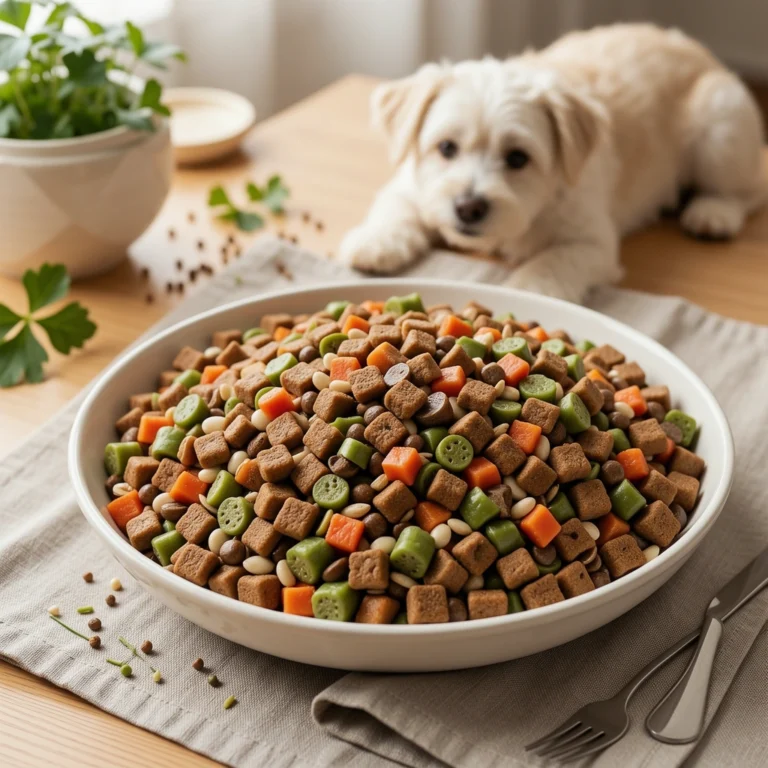
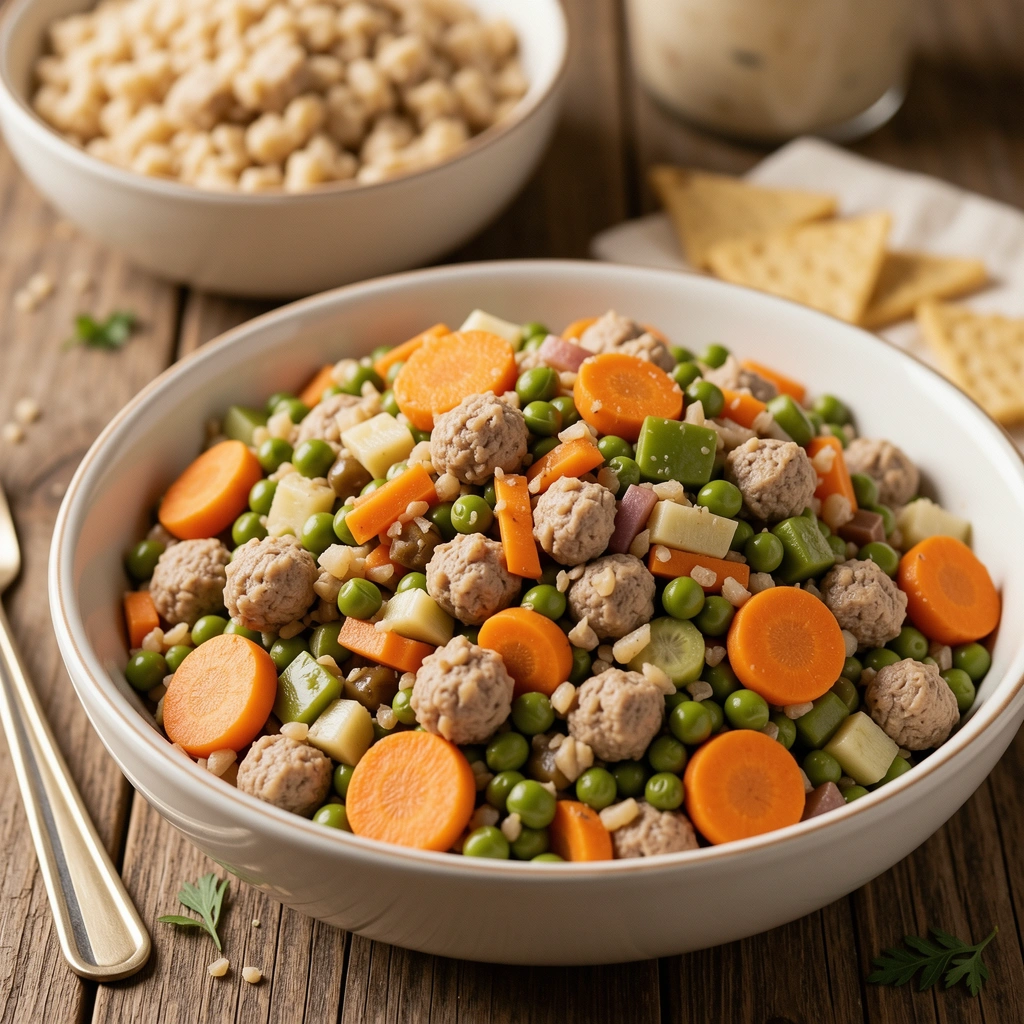
Hey friends, if you’ve ever wondered how to prepare homemade dog food on a budget without compromising your furry friend’s health, you’re in the right place. I’ve spent years researching and cooking meals for my dog, and I’m here to share the most accurate, practical tips that really work.
So, what is the best way to make homemade dog food on a budget? Homemade dog food on a budget means creating nutritious, balanced meals for your dog using affordable, wholesome ingredients without overspending. It involves smart shopping, meal planning, and understanding dog nutrition basics to keep your pup healthy and your wallet happy.
In this guide, I’ll walk you through everything—from why homemade dog food matters, to budget-friendly recipes, shopping hacks, and tips to keep your dog excited about mealtime. Let’s dive in and make dog food that’s both affordable and nutritious!
Why Choose Homemade Dog Food on a Budget?
Making homemade dog food on a budget isn’t just about saving money; it’s about knowing exactly what your dog is eating. Commercial dog foods often contain fillers, preservatives, and ingredients that might not be ideal for your pet’s health. When you cook at home, you control the quality and freshness of the ingredients.
Not only can homemade dog food improve your dog’s digestion, coat, and energy levels, but it also allows you to avoid allergens or ingredients your dog may be sensitive to. Plus, it can be a fun and rewarding way to bond with your pet.
By focusing on budget-friendly ingredients and smart meal prep, you can feed your dog high-quality meals without breaking the bank. Ready to learn how? Let’s talk about the key ingredients and strategies to get started.
Understanding Dog Nutrition Basics for Homemade Meals
Before cooking for your dog, it’s crucial to understand their nutritional needs. Dogs require a balanced diet consisting of:
- Proteins: Essential for muscle building and repair. Examples include chicken, turkey, beef, eggs, and fish.
- Carbohydrates: Provide energy; good sources are rice, oats, sweet potatoes, and barley.
- Fats: Important for skin health and energy; sources like fish oil, flaxseed oil, and animal fats are great.
- Vitamins and minerals: Needed for overall health, found in vegetables and supplements.
- Water: Always ensure fresh water is available.
A common gap in many guides is not emphasizing the balance of these nutrients. Feeding just meat or just rice won’t suffice. You want to aim for a well-rounded meal that meets your dog’s dietary requirements. Consulting with a vet or canine nutritionist can help tailor recipes to your dog’s specific needs.
Budget-Friendly Ingredients That Pack a Nutritional Punch
Here are some affordable ingredients that work well for homemade dog food and keep your budget in check:
| Ingredient | Nutritional Benefits | Budget Tips |
|---|---|---|
| Chicken thighs | High-quality protein, rich in amino acids | Buy in bulk or on sale |
| Brown rice | Complex carbs, fiber | Purchase from bulk stores |
| Carrots | Vitamins A and K, fiber | Use fresh or frozen |
| Eggs | Complete protein, vitamins, and minerals | Great alternative protein |
| Sweet potatoes | Fiber, beta-carotene, and vitamins | Affordable and filling |
| Canned sardines | Omega-3 fatty acids, calcium | Often cheaper than fresh fish |
| Spinach | Iron, antioxidants | Use frozen for cost savings |
By mixing and matching these ingredients, you can create a variety of meals that keep your dog both healthy and happy without overspending.
Smart Shopping Tips for Homemade Dog Food on a Budget
Shopping smart is key when preparing homemade dog food on a budget. Here are some tips:
- Buy in bulk: Purchase meat and grains in larger quantities to save money.
- Use frozen or canned veggies: They’re nutritious and often cheaper than fresh.
- Look for sales and discounts: Stock up on deals, especially on meat.
- Consider local farmers’ markets: Sometimes cheaper and fresher options are available.
- Avoid expensive “dog-only” ingredients: Many human foods are perfectly safe and affordable.
- Use leftovers wisely: Incorporate safe leftovers into dog meals to reduce waste.
Keeping a list and planning meals ahead can prevent impulse buys and help you stick to your budget.
Homemade Dog Food Recipe #1: Chicken and Rice Classic
This Chicken and Rice recipe is a go-to for many dog owners. It’s simple, affordable, and gentle on the stomach.
Why it works: Chicken provides lean protein essential for muscle maintenance, while rice supplies easily digestible carbohydrates. Adding veggies boosts vitamins and minerals.
Ingredients:
- 2 ½ pounds of boneless chicken thighs
- 1 ½ cups brown rice
- 1 cup chopped carrots
- 1 cup chopped green beans
- 4 cups water or low-sodium chicken broth
Health Benefits: This meal supports digestion and energy, and the veggies provide antioxidants to boost immunity.
Practical tip: Cook the chicken thoroughly and shred it finely so your dog can easily chew and digest it. Store leftovers in the fridge for up to 4 days.
This recipe suits all dog breeds and sizes and can be adjusted by altering portion sizes or adding supplements as needed.
Homemade Dog Food Recipe #2: Beef and Sweet Potato Delight
This hearty meal balances protein with fiber-rich sweet potatoes, perfect for active dogs.
Why it works: Beef offers rich protein and iron, while sweet potatoes are an excellent source of fiber and vitamins.
Ingredients:
- 2 pounds lean ground beef
- 2 medium sweet potatoes, peeled and diced
- 1 cup peas (frozen or fresh)
- 1 tablespoon fish oil
Health Benefits: Supports muscle growth and provides omega-3 fatty acids for a shiny coat.
Practical tip: Boil sweet potatoes until soft, brown the beef separately, then mix all ingredients. Adding fish oil not only improves flavor but supports joint health.
Great for dogs needing more calories and nutrients due to high activity levels or growth phases.
Homemade Dog Food Recipe #3: Sardine and Oatmeal Boost
This recipe is budget-friendly and packed with omega-3s and fiber.
Why it works: Sardines are a powerhouse of omega-3 fatty acids and calcium, essential for brain health and strong bones. Oatmeal adds fiber and helps with digestion.
Ingredients:
- 2 cans sardines in water, drained
- 1 cup cooked oatmeal
- 1 cup steamed spinach
- 1 egg, scrambled
Health Benefits: Enhances cognitive function, supports heart health, and promotes healthy digestion.
Practical tip: Mix all ingredients thoroughly and serve at room temperature. Use fresh or frozen spinach for convenience.
Perfect for small or medium dogs that require a nutrient-dense meal without heavy carbs.
Homemade Dog Food Recipe #4: Turkey and Vegetable Medley
A lean, protein-rich option that’s light and full of nutrients.
Why it works: Turkey is a low-fat protein source, excellent for weight management. The mixed vegetables provide vitamins, minerals, and antioxidants.
Ingredients:
- 2 pounds ground turkey
- 1 cup chopped zucchini
- 1 cup chopped carrots
- ½ cup cooked quinoa
Health Benefits: Supports weight control and provides essential nutrients for overall vitality.
Practical tip: Cook turkey thoroughly, steam the vegetables until tender, and mix in quinoa for a complete meal.
Ideal for overweight or senior dogs needing a balanced, lower-calorie diet.
Homemade Dog Food Recipe #5: Egg and Veggie Scramble
A quick, nutritious meal for busy mornings or snacks.
Why it works: Eggs are a complete protein source and contain essential amino acids. Adding veggies increases fiber and nutrients.
Ingredients:
- 3 eggs
- ½ cup chopped spinach
- ½ cup chopped carrots
- 1 tablespoon olive oil
Health Benefits: Great for muscle repair and maintaining healthy skin and coat.
Practical tip: Scramble eggs with veggies in olive oil, cool before serving. Avoid seasoning.
Perfect for all dogs as a supplementary meal or treat.
Essential Supplements to Consider for Homemade Dog Food
While homemade meals can be balanced, some nutrients might be missing. To ensure complete nutrition, consider these supplements:
- Calcium: Essential for bone health; can be added via crushed eggshells or supplements.
- Fish oil: Provides omega-3 fatty acids.
- Multivitamin: Supports overall health.
- Probiotics: Aids digestion.
Consult your vet before adding supplements to tailor them to your dog’s specific needs.
How to Safely Store and Serve Homemade Dog Food
Food safety is critical when cooking for your dog.
- Store homemade meals in airtight containers.
- Refrigerate for up to 4 days; freeze portions for longer storage.
- Serve meals at room temperature to avoid burns.
- Always provide fresh water alongside meals.
Keeping food fresh ensures your dog enjoys every bite safely.
Common Mistakes to Avoid When Making Homemade Dog Food on a Budget
Making homemade dog food can be rewarding but watch out for these pitfalls:
- Skipping nutrient balance: Avoid feeding only meat or only carbs.
- Using toxic ingredients: Never include onions, garlic, chocolate, grapes, or raisins.
- Over or underfeeding: Match portion sizes to your dog’s weight and activity.
- Ignoring vet advice: Always check with your vet before changing diets.
Staying informed helps maintain your dog’s health and happiness.
Final Thoughts on Homemade Dog Food on a Budget
Making homemade dog food on a budget is entirely achievable with a bit of planning, smart shopping, and understanding of your dog’s nutritional needs. You can save money while giving your dog wholesome, tasty meals that support their health.
By following the recipes and tips shared here, you’ll be well on your way to becoming your dog’s favorite chef. Remember, homemade dog food on a budget doesn’t mean sacrificing quality—it means feeding your dog with love, knowledge, and care.
Now, grab your apron and start cooking some delicious meals your dog will love!
Thank you for reading this comprehensive guide on homemade dog food on a budget. If you’re ready to start preparing healthy meals for your furry friend without overspending, these recipes and tips will help you do just that. Don’t forget to share your experiences and favorite recipes!
Stay tuned for more pet care tips that keep your dog happy and healthy.