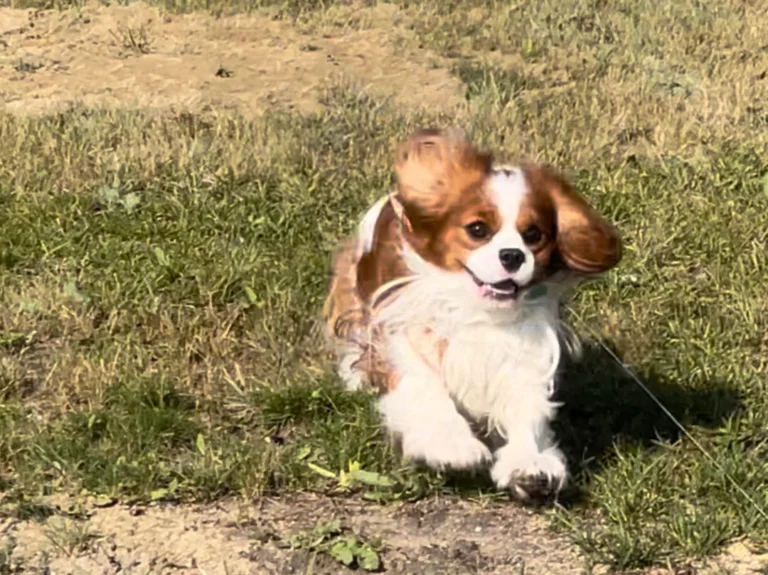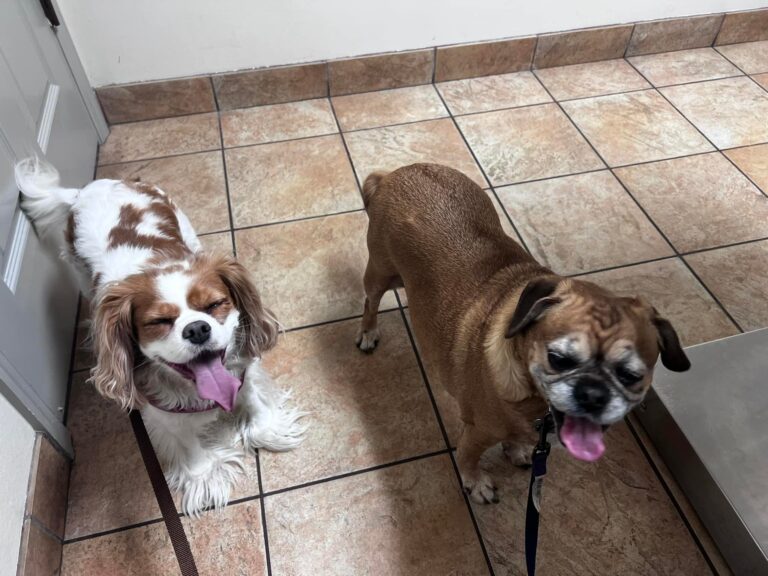
Ever noticed your Cavalier suddenly skip a step, hop, or carry one leg for a few seconds, then walk normally again? That little hop could be a sign of patellar luxation. It’s more common than many Cavalier owners realize, and if untreated, it can affect mobility and quality of life.
In this article, I’ll break down what patellar luxation really is, why Cavaliers are prone to it, what symptoms to look out for, and how it’s treated. I’ll also share practical tips, common mistakes to avoid, and even some variations in how the condition shows up. By the end, you’ll feel more confident about spotting, managing, and supporting your Cavalier with this issue.
What Is Patellar Luxation?
At its simplest, patellar luxation is when the kneecap (patella) slips out of its normal position in the groove at the end of the thigh bone. Instead of sliding smoothly as your Cavalier moves, the kneecap pops out to the side.
Here are some key definitions to keep things crystal clear:
- Patella: The kneecap, a small bone that sits in front of the knee joint.
- Luxation: A medical term meaning “dislocation” or “slipping out of place.”
- Medial luxation: The kneecap slips inward (toward the body). This is the most common type in Cavaliers.
- Lateral luxation: The kneecap slips outward (away from the body). More common in larger breeds but can occur.
- Grade system: A way vets classify severity, ranging from Grade I (mild) to Grade IV (severe, permanently out of place).
Why Cavaliers Are Prone to Patellar Luxation
Cavalier King Charles Spaniels are a toy breed with specific bone and joint structures. Unfortunately, their genetics make them more vulnerable to kneecap instability.
Main reasons include:
- Small stature with lightweight bones.
- Shallow groove in the femur (thigh bone).
- Genetic predisposition passed through breeding lines.
- Poor muscle tone if not exercised properly.
Recognizing the Symptoms
Not every Cavalier will limp constantly. In fact, many owners first notice patellar luxation when their dog suddenly “skips” on one back leg.
Look out for these common signs:
- Sudden skipping or hopping while running.
- Carrying one hind leg for a few steps, then resuming normal walking.
- Occasional yelps or signs of pain when the kneecap slips.
- Bow-legged or unusual posture.
- Reluctance to jump onto furniture or climb stairs.
How Vets Diagnose Patellar Luxation
Diagnosis usually involves:
- Physical examination: The vet feels the knee joint, trying to gently move the patella.
- Grading: Assigning a severity level (I–IV).
- X-rays: To check bone structure, arthritis, or other joint issues.
- History: Your notes on when and how often symptoms occur are extremely valuable.
Treatment Options
Treatment depends on the severity:
- Grade I & II (Mild)
- Weight management.
- Joint supplements (glucosamine, chondroitin, omega-3s).
- Muscle-strengthening exercises (short walks, swimming).
- Pain medication if needed.
- Grade III & IV (Severe)
- Corrective surgery, often involving:
- Deepening the femoral groove.
- Realigning ligaments.
- Bone reshaping if needed.
- Post-op rehab with controlled exercise.
- Corrective surgery, often involving:
Materials Needed for Managing Patellar Luxation
Here’s a practical table of what you might need if your Cavalier has patellar luxation, depending on treatment:
| Item | Purpose | Notes |
|---|---|---|
| Joint supplements | Support cartilage & reduce wear | Vet-approved, daily use |
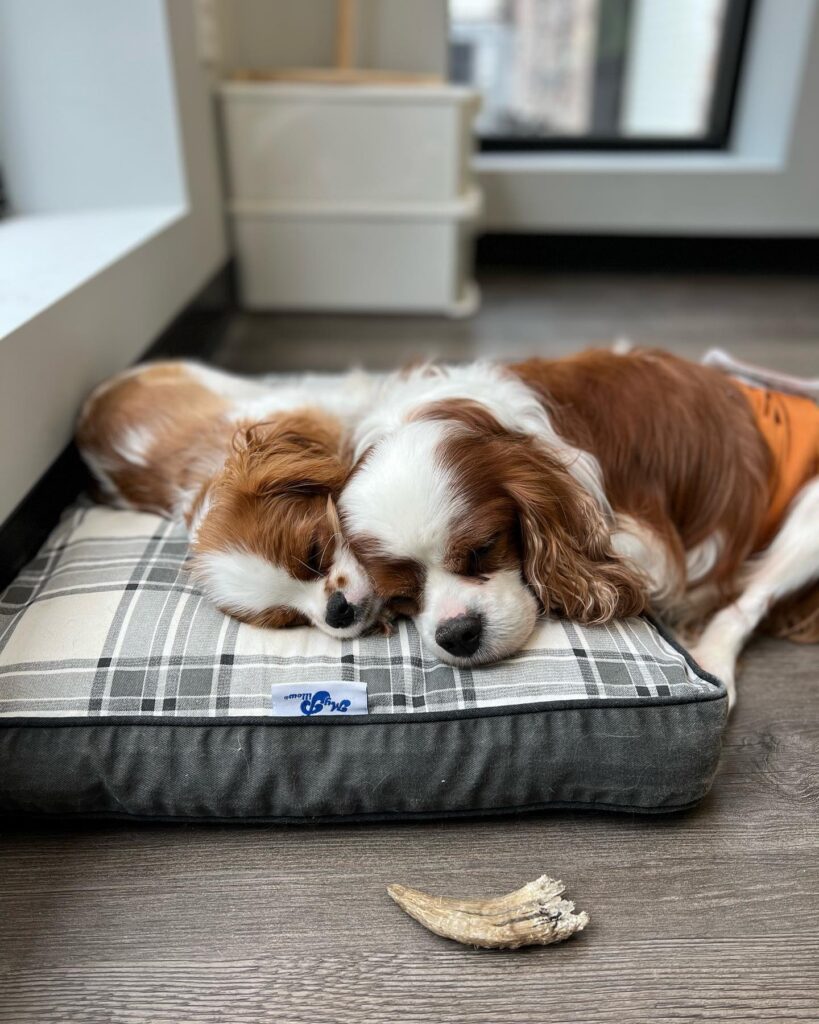
| Orthopedic dog bed | Cushion joints during rest | Memory foam works best |
| Ramp or steps | Prevent jumping stress | Especially useful for couches/beds |
| Harness (not collar) | Reduce strain during walks | Front-clip harness is gentler |
| Post-surgery brace/support | Stabilize joint after operation | Vet recommendation required |
| Anti-inflammatory medicine | Control pain & swelling | Only as prescribed by vet |
| Exercise plan (vet guided) | Build muscle safely | Short, regular sessions better than long |
Tips for Success
- Keep your Cavalier at a healthy weight. Even a few extra pounds add stress to fragile knees.
- Stick to low-impact exercise like walking on grass or swimming.
- Use ramps or pet steps to reduce daily strain.
- Track symptoms in a journal—when skipping happens, how severe, and what triggers it.
- Schedule regular vet checkups to monitor progression.
Common Mistakes (And How to Avoid Them)
- Ignoring early signs: Many owners think skipping is “cute.” It’s often an early warning.
- Over-exercising: Long runs, jumping games, or rough play can worsen luxation.
- Self-medicating: Human painkillers are toxic to dogs. Never give without a vet.
- Delaying surgery: Severe cases only get worse. Waiting too long can lead to arthritis.
- Skipping rehab: After surgery, physiotherapy is critical for full recovery.
Variations of Patellar Luxation in Cavaliers
Not all cases look the same. Here are some variations:
- Unilateral vs. bilateral: One knee or both affected (both is common in Cavaliers).
- Intermittent vs. constant: Some Cavaliers only skip occasionally, others struggle daily.
- Mild vs. severe: Early stages may never need surgery, while advanced stages require correction.
- Secondary complications: Chronic luxation can lead to arthritis, hip problems, or altered walking patterns.
Final Thoughts
Patellar luxation in Cavaliers may sound scary, but with awareness and proactive care, you can give your pup a comfortable, happy life. Spotting the early signs, working with your vet, and managing lifestyle changes make all the difference.
If you suspect patellar luxation in your Cavalier King Charles Spaniel, don’t wait—get it checked. Early action prevents long-term joint damage and keeps your companion active and joyful. Caring for patellar luxation is about more than treatment—it’s about giving your Cavalier the best quality of life.